Listen and subscribe to us on your favorite podcast platform:


We like to remind people that the voting process doesn’t belong to us. We facilitate it. But the voting process belongs to the citizens of the jurisdiction.
Dean Logan, Registrar-Recorder/County Clerk, Los Angeles County
“…To those folks who are sowing this distrust, making sure that we challenge them with, ‘Hey, why don’t you come work for us? You will get the training that every staff member gets, you will be in the environment, you can see it firsthand.
Gabriella Cázares-Kelly, Recorder, Pima County, Arizona
Every state has the ability to set their own laws. The fact that Arizona and California take longer does not concern me at all.
Mark Earley, Supervisor of Elections, Leon County, Florida
Heading into the 2026 midterms, election integrity means more than the mechanics of ensuring an accurate count. The officials responsible for elections in influential counties like Los Angeles, California; Pima, Arizona; and Leon, Florida, also have to earn voters’ confidence in the result.
Why it matters: Trust in elections is a foundation of American self-government, and in recent cycles some voters have lost it. That doubt now shapes how elections are run, from how fast votes are counted to how an election office communicates with its voters.
The question: How does an election office rebuild the trust of voters who have lost it? And should every state have to go about it the same way?
Why here: Interstate 10 runs through three highly influential states that conduct the same election three different ways: California mails every voter a ballot, Arizona lets voters sign up once to get one for every election, and Florida requires a new request every two years and posts its results on election night. Side by side, perspectives from these three counties show how differently each state can build trust in its count.
In this episode, Dean Logan, Registrar-Recorder/County Clerk for Los Angeles County; Gabriella Cázares-Kelly, Pima County Recorder; and Mark Earley, Supervisor of Elections for Leon County, Florida, join Duke Reiter and co-host Bill Gates, executive director of ASU’s Mechanics of Democracy Laboratory and a former member of the Maricopa County Board of Supervisors. ASU formed the Mechanics of Democracy Laboratory in 2024 to help restore public confidence in elections, and we were fortunate to have its director, Bill Gates, co-host this conversation. Gates’s lab hosted the national Election Science, Reform, and Administration conference at ASU in June, which brings election officials and researchers together to improve the quality of American elections.
Together they talk through the importance of election integrity including the current mid-term elections, why a count can take hours in one state and days in another, how prediction markets shaped expectations in Los Angeles this summer, why Pima County redesigned its ballot envelope this year, and whether voters will ever cast a ballot from their phones.
Duke Reiter:
So Bill, I’m going to start with you as my co-host here. We know each other well, and we helped you pull together some material for a conference you held last June here in Phoenix. It was, I think, the national Election Science, Reform, and Administration Conference. So talk about why this issue is critical and why you’ve helped me pull these folks together.
Bill Gates:
Thanks, Duke. I really appreciate the opportunity to join you here on the Ten Across podcast. That’s right, this summer we were fortunate enough here at the Mechanics of Democracy Lab at ASU, which I lead, to host the national ESRA conference. It is the premier conference in the country for elections practitioners, like the three that you are going to hear from today, on what’s the latest in research and how academics can provide information and data that can help these election administrators do their job better. And it was wonderful to get them plugged in and participating in a short video about the incredible work that is being done across the Ten Across corridor in elections.
Duke Reiter:
We’ve got three people here ready to talk, and we’ve already discussed that they have a lot to say. But just before we leave what we were discussing there, Bill, at that time, which seems probably ages ago, it was about four months ago, what was the temperature at that conference? What were people concerned about? What were they talking about? And again, if you can compress that, if you will.
Bill Gates:
Well, as the people on this call know very well, there’s so much on the go in elections every year. It’s an incredible logistical challenge in any normal year. But obviously these are not normal times, so many of the topics being considered are things like AI, and how is AI going to impact elections? How is the federal government going to play in elections in potentially different ways than they have in the past? Along with so many other sources. So hopefully we can get into some of those topics today.
Duke Reiter:
I think so. And so what we want to hear from the three of you right off the top, and I think we’re starting with Dean, is what is happening in your office at this very moment? Again, I use the phrase, what’s the temperature? What’s the state of play, and what’s top of mind for people in your offices?
Dean Logan:
Well, great to be with you, and thanks for having us. You picked a great week to ask that question. And speaking of temperature, we’re having a fall heat wave in LA, so I like to say elections are coming in hot right now. This is a critical week. For Los Angeles County and most of California, our ballots went in the mail to voters last weekend. So voting has begun in this election in Los Angeles County. We mailed close to 5.9 million ballots to all of our active registered voters here in LA County over the weekend. So we are now in that period where we’re daily checking our drop boxes, picking up voted ballots, we’re getting deliveries from the US Postal Service of voted ballots, and we are working daily now on ballot processing. At the same time, we are in the final weeks of doing training of our election workers, preparing our supplies for deployment to our in-person vote centers, which will open starting on October 24th. So really this is the beginning of the sprint for us. It’s not really even the pre-election period now. We are in the voting period, and it just crescendos from here. So lots of activity going on. Our headquarters vote center is open, so we have in-person voting happening at our facility, and it just keeps going from here.
Duke Reiter:
And I think this probably goes without saying, but you feel confident right now that all the procedures you have in place, and what you’re engaged in thus far, are going well?
Dean Logan:
I do. I think that’s the message we’re trying to get out to voters, right? There’s a lot of noise out there. There’s been a lot of discussion nationally about what’s happening in one region versus another region. And I think what we want our voters to know is that we’ve got this. We have a good model, it’s going to work the way you should expect it to work. If something gets in the way of that, that’s our job, right? To run interference on that and make sure you have the opportunity to vote. One example: I think there was a lot of concern with the US Postal Service. Was there going to be disruption in getting the ballots out? We know that didn’t happen. We know the ballots got out there, we know voters received them, and they’re coming back. So that is a boost in conveying to voters, what we want you to focus on is getting out there and casting your ballot.
Duke Reiter:
Great. And Gabriella, you were on the video that we prepared for the ESRA conference with Bill, and your passion for what you do and why you do it came through loud and clear. Tell us what’s happening in your office. As we mentioned, the process has already started where you’re working.
Gabriella Cázares-Kelly:
Right. It’s similar to Logan’s. Military and overseas ballots go out 45 days before an election, so we’ve been well within the early voting cycle already. We’ve actually seen a higher number than usual of military ballots coming through FPCAs, federal postcard applications. And we are in the thick of site setups. We do ours on a tiered system also, so we opened just three sites yesterday. We had over 230-some voters, which is pretty good for a general election. And then we are also frantically trying to still get several ballot drop boxes placed into the ground. I have one more location, and we’re figuring out logistics for that. And funny that you should bring up a heat situation. The other day we had a heater on at our ballot processing center that we couldn’t figure out how to get turned off. Maintenance had to come in and check the AC and all of that. And those are all of the really surprising logistics. One thing I love to tell people is, you’d be surprised how many of your election logistics revolve around plumbing and just the physical well-being of your everyday team.
Duke Reiter:
Mark’s got a story for us. Mark, this is your chance to talk about plumbing and elections, please.
Mark Earley:
Yeah. In addition to everything that’s been discussed, poll worker training, we’ve got in-office early voting, vote-by-mail ballots coming back in. We sent them out a couple weeks ago. We’re in Florida, so of course there’s a hurricane coming our way. We have landfall expected tomorrow evening, just to our west, so we’re in the band zone. But most extraordinary and most unexpected, and we’re election officials, so we hope we plan for the unexpected: we literally had Monroe Street in Tallahassee, right between our county courthouse and the state Capitol, blow up on Tuesday. As crazy as it sounds, we had two big craters in the road. Some of the underground infrastructure somehow caught fire, blew up. We lost some network connectivity. We lost phone service to our office and much of downtown for about four hours. Our connectivity to the state elections database was down for a bit. Silver linings: maybe we had a nice run-through for a catastrophic-type failure ahead of time. And we found that our phone system’s ability to rebound was lacking, so we beefed that up. And so that was the good part of that. But it was a pretty extraordinary day and week. It was the last day to register to vote in Florida, because you have 29 days out. So the day after that ended, while we’re trying to process everything, all of our network connectivity was down for about half a day. So it’s been a doozy of a week.
Duke Reiter:
I’m a city planner by nature and think a lot about infrastructure. I’m sure you’re getting immediate questions about your ability to carry out what you expect to be doing.
Mark Earley:
Absolutely. And so we had a lot of our data offline, which was good. So within our building we could function real well. The biggest problem was our phone connectivity. That’s what really got us. But we had that up and running pretty quickly, and we have tested those failover circuits that, instead of going through the courthouse, should have gone through the public safety commission building, which is about a mile and a half from our office. But it didn’t. But it’s working now. I’ve been reassured.
Duke Reiter:
Yeah, great. So Bill, you and I mapped out some questions here, and I’m already going out of order, as you probably noticed. But one of them was, when you were head of the Maricopa County Board of Supervisors, and thus in charge of the elections here, we were talking about what you knew going into that job, and what you needed to know about elections, and what you didn’t know or what might have surprised you. I think it would be great for you to respond to that, and also involve your peers here in a similar question.
Bill Gates:
Yeah, absolutely. Well, I had first gotten involved in elections over 20 years ago, actually as a Republican election lawyer. So not being involved in administering, but instead observing, helping to make sure that all eligible votes were counted, trying to be a partner with the election officials. But being in that role certainly does not prepare you for what you see, again, in a normal election, but particularly what all three of my friends on this call have dealt with in the last six or so years, where we’ve really had the eyes of the world now on election administration. All three of you have done that. Dean, I know you had a lot of attention in the recent primary election, particularly on this issue of the speed of the counting. Maybe you could talk a little bit about that and the unique situation that you face in LA County.
Dean Logan:
I think one of the things you learn over the course of your time as an election administrator is that there are no two elections alike. And just as the stories you heard from Mark and Gabriella, it is those unexpected events. That’s part and parcel to the work we do, and making sure that we have redundancy and we have contingency plans in place. So it’s very similar to emergency management in that respect. For us in June, I would say there are two things that stand out to me in the primary that were somewhat new issues, or at least took on a new meaning. One of those is, as you indicate, there was a lot made about how long it takes to count ballots in California, and in particular in LA, that was focused on the primary race for mayor of LA. Here’s the reality: we were actually three days faster in counting, and counted faster than any prior election in LA County, and nobody noticed, because the narrative was about how long it takes to count. And maybe we’ll get into this later. The reality is, in every state, the state laws regulate how that process works. And California has historically been very intentional in providing voters with the greatest flexibility and options in how to cast their votes. By the way, I think that helps in situations like when you have a phone system blow up or something like that, because there are options to recover. But the backside of that is that it’s driven by voter behavior. And here in LA County, we had over half a million ballots received in our drop boxes or dropped off at vote centers, not voted in person, but dropped off at vote centers, in the final hours of voting on election day. And those ballots have to go through the same processing, the same security, the same transparency as the ballots that were cast two weeks before the election. And that simply takes time. It has to be done securely, it has to be done transparently. And that’s what results in this continual count going on through the election. So there was a lot of discussion about that. We’ve taken some strides to tighten that even further for the general election, but the model of voting hasn’t changed. So you can still expect that’s going to be the case here coming in November. And then I’ll just real quickly say the other one that surprised me, or caught me a little off guard, in June, and maybe this will come up further, is this new issue of the influence of prediction markets, and people gambling on election results, and that impacting how people anticipated or expected a result that didn’t match with the results that happened when we actually counted the valid votes in the election. And that created also its own narrative and disruption, if you will, to the process.
Duke Reiter:
That’s an extraordinary topic about which we could do a whole show, I am sure.
Dean Logan:
Indeed.
Duke Reiter:
But Dean, following up on what you’re saying, and having Gabriella and Mark respond to this: in your offices, when you hear what’s being said in the media about what you’re doing, like why does it take so long to count those votes in California and LA? When you’re discussing that internally, are you just saying, ignore that, do whatever needs to be done to protect the integrity of the election? Or, hey, they’re saying this about us, if we adjusted this, there would be less of that to talk about? Do you ever think about how what you’re doing is influenced by what’s being said about what you’re doing?
Dean Logan:
It’s such a great question, Duke, and it’s one of the things that we, with our communications team and our staff, wrestle with: what is that balance of what do we respond to and what do we not respond to? And if we respond to it, how do we do that? I think where we’ve settled here in LA is we have somewhat of an assessment. If this is something that we think is going to affect the larger populace’s opinion or assessment of the election, then they ought to hear from their election administrator. So we don’t necessarily respond directly to the source of the misinformation, but we choose to put out corrected information. And I always try to tie it back to, again, voter behavior. I will tell you that I believe that the half a million voters in our county that returned those ballots, as I described, they have other options for voting early. The fact that they chose to do that is an indication of their trust. So sometimes the narrative isn’t the local narrative. It’s a larger narrative. It isn’t about how people feel in their own community.
Duke Reiter:
Bill, go ahead.
Bill Gates:
Dean knows we’ve had the same type of situations in Maricopa County, with 200, almost 300,000 citizens dropping off their ballots on election day too. And I agree, it shows that trust. And by the way, I saw Dean several times during that primary speaking on CNN and other outlets, and he did a wonderful job explaining to folks that there was nothing going wrong, that they were doing things properly, they were following the law. And I would add, it is interesting to have Gabriella and Mark on here, because I know Gabriella and I hear a lot from our voters that we ought to run our elections more like Florida. So, not to stir things up here, but I thought I’d throw that out there.
Duke Reiter:
There we go. That’s a good one.
Mark Earley:
Throw me under the bus.
Duke Reiter:
Gabriella, you’re up.
Gabriella Cázares-Kelly:
So we actually just made a big change in Pima County, where we went from two envelopes, a ballot affidavit envelope and a return envelope, and we combined it so that it is just one envelope, which is similar to what Maricopa does. It’s similar to what the majority of large jurisdictions do. We’re at 740,000 registered voters and counting. Within 15 years, we’re projected to be at a million voters, and so we had to address that now. And so I made the difficult choice to make that change. And even within this time of distress, to make that change was a huge undertaking, to communicate that to voters. And one of the things that I’ve been talking about is, this is a response to you requesting the results faster. And this is also something that definitely has an impact on our staff’s safety. For us to be able to complete the process in a timely manner, even just removing that one envelope speeds things up by an entire day, a day and a half, two days. And that’s a really big deal. And so when we have this national narrative pushing this demand for speed, especially in a purple state like Arizona, where we’re seeing more and more races that are decided by just a handful of votes, that is a continuous conversation that we’re having with the public, and we’re communicating that out. I feel like I’m on a press circuit or something. I’m doing all of these public speaking events, and that is the number one question. We have resources on our website that point to the decision of why. Why did we make this decision? And again, it’s because the public is demanding faster results, and it’s impacting our safety.
Duke Reiter:
And by the way, you all present yourselves extremely well, and thoughtfully and calmly. And as you’re describing, Gabriella, it isn’t the change that you made. It’s not the technical issue. It sounds like the fact that you are making a change creates anxiety, interest, whatever. It’s just the fact that you’re doing your job, not actually what’s really happening with envelopes. Mark, what do you think about all this?
Mark Earley:
The question I get asked is, why doesn’t California and Arizona do it just like Florida? So it’s the reciprocal. And I say, you know what? Every state has the ability to set their own laws. The fact that Arizona and California take longer does not concern me at all. I know the election officials out there. They are just as interested in following their laws and providing election security and accuracy. And you do not want to undermine accuracy and security to get speed. So our laws are just structured completely differently. Some counties in Florida have already started counting the vote-by-mail ballots, not just receiving and validating the signatures, but actually tabulating them. We’ll start this coming Tuesday after our first canvassing board meeting. We just had a logic and accuracy test. And we’re required to have all of our vote-by-mail ballots in hand by 7 p.m. election night. And any ballots we receive, either through in-person early voting the two weeks prior to the election, or vote-by-mail ballots in hand by Monday evening, the day before the election, we have to upload those results, the actual tabulated results, before 7:30, within a half hour of the polls closing on Tuesday, election day. And so it’s just a completely different structure. Our messaging to voters is, get those ballots back to us as fast as you can. I trust the mail. I send my ballots back through the mail. But we have lots of what we call secure ballot intake stations, which, aside from maybe a sign change, is identical to a ballot drop box. And so there’s lots of opportunities to get it to us, but don’t delay, because we need to meet our statutory requirements. And we have two days to cure after the election. I wish we had longer, frankly.
Duke Reiter:
So I’d love to ask a question that’s in the news, and that maybe people ask. Regardless of your political persuasion, voting is voting. Why is it important that each state control what it does there, when there’s a certain, not just sameness, but importance of the vote across the country? Why is it really important for states to do it the way they feel they should, even though that might be different? We were talking about why Florida does it this way, Arizona does it this way, California over here. Tell me about the importance of states managing this. Gabriella, again, you’re shaking your head. Jump in there.
Gabriella Cázares-Kelly:
Well, yeah. This is a question we get so much because of the comparison to Florida. And so I did a deep dive in Florida, and I’m so glad to connect with you. I’ll hit you up later and we’ll talk. But one really important thing to note for Pima County: we’re 9,000 square miles. That is a huge, huge area of land. There are 15 counties in the state of Arizona. How many are there in Florida?
Mark Earley:
Sixty-seven, yes.
Gabriella Cázares-Kelly:
Sixty-seven. Our smallest county is bigger than their largest, which is just ridiculous. And some of our landscapes incorporate Native American reservations. We have the Grand Canyon. There are some counties within our state that have to leave the state to get to different parts of their county. So they actually have to take ballots across state lines and come back in. And so all of those different things. My county is partial metro but also rural, and again, we’re dealing with all of those additional issues. And then my question for Mark is the restriction on being able to turn in a late early, which is, of course, a late ballot. That results in voters not being able to cast their ballots. And so people are shocked every time, correct? So I would assume that there are a lot of people who come in on election day trying to turn in their late earlies and are told otherwise. Maybe they have a partner who is homebound who they can’t bring in, and so they can vote because they’re there and they have their ID, but their partner can’t. I’m sure you’re running into a lot of those types of situations. So it does impact voter access, correct?
Duke Reiter:
And just to make sure our audience understands what a late early is, Gabriella, give us the 15-second definition of a late early.
Gabriella Cázares-Kelly:
Early ballots that are put through the mail are early, but if you turn one in on election day, it’s late, because it’s outside of the early voting period.
Duke Reiter:
Go ahead, Mark.
Mark Earley:
Yeah, and our terminology is different. We have early voting, which is in person at a vote center, as opposed to election day, which are neighborhood polling places. But I think what Gabriella refers to, we just call that mail ballot voting, or vote-by-mail voting. And so mail ballot voting started differently in Florida. It started as, you had to have an excuse, and it was very limited. And it started expanding. So we’ve always had that 7 p.m. deadline, so it’s just become part of the infrastructure, the knowledge base here. We’ve done a lot of messaging focusing on new folks to Florida that are not used to that structure. So that’s where we get some of our biggest concerns. But the biggest problem we have are late-delivered mail ballots from the post office. We’ve changed our statutes. The last day to request a vote-by-mail ballot was seven days out from the election. Then it became ten, and now it’s twelve. You can’t request one. And our messaging is, get it back in the mail immediately, or bring it to us in person. And I refer to election day as last-chance voting. I don’t even call it election day. I say it’s last chance. Storms, you know, we’ve got a hurricane hitting tomorrow, literally. And you never can predict the weather here. So if you’re waiting till the last minute to vote, you’re doing yourself a disservice. So we kind of put some of that back on the voter, but we need to communicate very well what the laws are here.
Duke Reiter:
Dean, you want to weigh in on this?
Dean Logan:
Yeah, to go to your question, I think fundamentally it goes back to the principle of federalism and the intent of states’ rights. The majority of what’s on our ballot are local and state measures. It’s only a handful of things that are federal. But obviously, we’re all products of the environment in which we operate. And to get to Gabriella’s point, not every jurisdiction is the same. The demographics are different. The way that the voters behave, the way they live their lives, is different. And if the intent of an election in our representative form of government is to ascertain the will of the majority, you want a voting model that’s going to try and attract a level of participation that is going to give you that response. And in a place like LA, we have diversity of every variety. We have rural and urban areas. People don’t think about that in LA County, but our north county is very rural. We have a considerable amount of our population who work quite a distance away from their home. So having those options is particularly important. And I guess the final thing I would say on that is, I think we benefit from being able to see how things work and evolve in other jurisdictions, and that helps us all improve our processes. So I don’t think uniformity is necessarily the goal. I think participation is the goal, and we can see what’s happening in different states and different jurisdictions and build on that, to adapt that to something that will be effective at encouraging participation in our own jurisdictions.
Bill Gates:
Yeah, I just wanted to touch on something that Dean said there, which is the majority of these contests on the ballot are state and local. Our president this week commented on why did Brazil, Brazil just had an election, get the results so quickly? Because it’s for one race. And so this is very important when these jurisdictions are being compared with one another, or even other countries. Keeping in mind we’ve consolidated elections in this country, which means there’s a lot of races that need to be counted, and they need to be counted accurately. And I wondered, just to tease this point out, if we could do a lightning round real quick. Each one of your states, what percentage of the votes are done by mail on average? Mark, what’s by mail in Florida?
Mark Earley:
Yeah, it ranged from a high of maybe 45 percent in 2020, during COVID. But now it’s typically a third, and it’s dropping below that now, with all of the news currently. So it’s below 30 percent now.
Bill Gates:
How about you, Dean? How about in California?
Dean Logan:
Yeah, so pretty standard that 80 percent of the turnout in any given election is going to be by mail. Now, how they come back varies, but they’re using those vote-by-mail ballots.
Bill Gates:
And then Gabby, down in Arizona.
Gabriella Cázares-Kelly:
Yeah, we’re at anywhere between 75 and 80 percent. I think we’re actually climbing closer to 80. Vote by mail is extremely popular here, even despite the concerns about the mail. In the last election cycle, I think we received back 10,000 ballots dropped off at early voting locations, maybe 30, 40 thousand on election day, 13,000 in the ballot drop boxes, but 213,000 by the US post office. So even though there’s a lot of this conversation, returning ballots by mail is still the number one choice of Pima County voters.
Duke Reiter:
So this was going to be my question. The post office. It’s fascinating that an institution which is suffering, because we do everything digitally now, right? And so we see the deficits that the post office is running. But the reliability of it, and the need to have analog evidence of your vote, and other things. How do you manage the occasional question, which could send this conversation in a completely different direction, which I don’t want to do? But can you see a day when I can vote on my phone? It’s more digital than relying on the post office, which we don’t count on for much anymore. But Gabby, you were just talking about that.
Gabriella Cázares-Kelly:
Yeah, so we actually just implemented a ballot portal system for our military and overseas voters, and people love it. It is so wonderful. They can vote and make their choices on their personal device, they can sign with their finger or with a stylus, and they can submit it right back. Within this cycle, we also send out the postal international mail, and some of those people haven’t even received their ballots yet. But when we sent out the electronic version, we had, I think, over 200 voters already respond within the first day. And so it’s extremely popular. And one of the groups that is continuously advocating for access to this is the blind community. The blind community has talked about the lack of privacy. They have the right to privacy, and they can’t. Our system right now is not fully accessible, but it would be able to be used by a screen reader. And prior to that, we were sending PDFs to our military and overseas voters. And so now that we’re doing it in this different format, this is going to be available to somebody who’s taking a cruise and is out in international waters, but not to a blind person.
Duke Reiter:
So I can see why your audience, or your customers, would love this. But it also opens up all kinds of questions of security and manipulation and everything else. So Mark, you’re shaking your head. Talk about the advantages and disadvantages.
Mark Earley:
Yeah. We deliver ballots via email or via portal, but we still require some kind of a physical receipt, although fax-back for military is still a thing that’s allowed in Florida, and maybe nationally. But the flip side of that, I always cite two things. The 2000 elections in Florida, Bush v. Gore, I was here for that. It was my 14th year in elections. And I always say, if we’d had digital voting or internet voting, it would have been a nightmare because of the trust factor. And even with today’s technology, it’s very hard to prove. There’s a lot of things about E2E-VIV, end-to-end verifiable internet voting, and things like that. It’s still a dicey topic. We have recounts all the time here in Florida. The 2020 elections, proving the victor in that election, if it had been internet voting, I have a great fear of where that would have left the nation if we were not relying on paper ballots. Georgia recounting their ballots four or five times. Arizona, even though it was in the stadium, at least they had paper to go back to. So that’s where I am on that. That’s a scary one for me.
Dean Logan:
I think that goes to what we were talking about before, though, about the best we can do in this country with regard to elections is to pay attention to how people interact with other things in their lives and make voting meaningful in that regard. So we adopt a philosophy of trying to meet people where they’re at. We designed a voting system and a voting model around that. But you have to have the security side too. So I think it has to be adaptable. So to the early part of your question, Duke, is there a time where I think we will see more distribution of blank ballots through an electronic format? I absolutely do think that’s going to happen. And as Gabby said, that’s happening already for military and overseas voters. Sadly, California was just sued by the Council for the Blind on this issue, about not being able to use electronic return of a vote-by-mail ballot. So it’s going to have to be dealt with. But Mark’s exactly right. I think you have to maintain a system that allows for a secret ballot and allows for the security of the system. So that’s another one of those questions we as election officials get all the time. Well, I bank online, why can’t I vote online? Well, when you bank online, they can fix it if it was wrong. Once we get your ballot back, we can’t track that ballot back to you, right? So there’s a difference in that model. So I think there’s a place for electronic transmission, and there’s a place for adaptable. We have an app that allows people to pre-mark a sample ballot, take it with them to the vote center, scan a QR code. Now, they still can change their mind, and they can still print out a paper ballot, but it does expedite their voting process. I think we’ll see more of that. But I think we’re a long ways off from having a secure electronic vote system without that tangible paper ballot.
Gabriella Cázares-Kelly:
In Pima County, or in all of Arizona, those ballots that we receive electronically from military and overseas, they get printed. So they get duplicated, and we do have a paper trail of these. It’s through encryption, and we are ensuring that there is a roster with each turnover. We work really closely with the elections department. But at the end of the day, if there needed to be a recount, there would be physical ballots that resulted from those military and overseas ballots.
Duke Reiter:
So Bill, we had one last question here to close this out, about the relationship between the voter and the elections office. So maybe you want to ask that question, and maybe add something to it as well.
Bill Gates:
Yeah, absolutely. So one of the things that is top of mind for everyone in elections these days is trust, and the unfortunate fact that some folks have lost trust in our system. So I’m really curious, for all three of you, when you have that doubting Thomas who comes to you and is looking to rebuild their faith in voting, what do you point to? Mark, let’s start with you. What’s your elevator pitch for that voter?
Mark Earley:
Yeah. And we get this. That’s the big question. That’s what we always get. I point to our commitment to transparency. Everything we do is out in the open. I point to our 100 percent post-election audits. We use technology. Really, we have two voting systems. We just call one of them an audit system, and the paper ballots are always there. They’re the document of record. They’re the most important component. We have great chain of custody of those ballots, with GPS tracking, outbound, inbound, electronic chain of custody forms as well as paper backup that people are signing, checks and rechecks on all of this. But that post-election audit, where we take all of the paper ballots, and the only thing that is the same between the two voting systems is that one piece of paper, and we tabulate it again with the other one. And the accuracy of that is pretty remarkable. Or the agreement. I don’t call it accuracy, because no machine is 100 percent accurate, because people mark their ballots poorly oftentimes. But when they see that in action, and come and watch our post-election audits, see how people mark their ballots, see the type of chain of custody we have in place, that usually goes a long way. I mean, we have brochures. I was ready for that question. “Why you can trust Florida elections.” And we publish this everywhere. It’s on our website. We have a whole section of our website dedicated to election integrity. And we learned a lot of hard knocks in the 2000 elections. And so Florida’s been really trying to build that integrity, and that repeatability, if you have to do recounts and things like that. We have automatic triggers and all of that. So there’s a whole series of infrastructure built around that core question of why you can trust your elections, how we make sure that that’s happening. And we’re always ready to present in court, frankly, because everything’s contested all the time. So we’re always preparing for that.
Bill Gates:
Well, thanks for that, Mark. So you emphasize showing people, right? Show the work. And I’ve been fortunate enough to have the opportunity to take some ASU students with me through Dean’s facility in LA County. Dean, can you talk about that, and what you point to as you’re addressing people who might have some concerns about elections?
Dean Logan:
Yeah, I think that’s our response, when we can. We like to remind people that the voting process doesn’t belong to us. We facilitate it. But the voting process belongs to the citizens of the jurisdiction. And part and parcel of that is that they have the opportunity to come and watch and see how that works. And we were fortunate to be able to design and put in place a state-of-the-art ballot processing center that was designed for security and for transparency. So our best bet is to take those people who are skeptical and bring them out there and say, watch what goes into this process, the level of detail, the level of security. And I think when people do that, they leave with a different impression, and then they go and tell the people in their community about that too. They see that the people who work there are there because they care about the process, not about the outcome. They care about the process. And I think being able to see that level of detail goes a long way.
Bill Gates:
So Gabby, can you talk about how you speak to someone who might be across the aisle from you, to help give them the confidence that it doesn’t matter the political party of the election administrator in a particular jurisdiction?
[38:52] Gabriella Cázares-Kelly:
Yeah, I talk about this all the time. I talk about how our office is nonpartisan, and I talk about process. So really it’s about emphasizing the process, and we’re really proactive here. We do a lot of presentations to the public about a day in the life of the ballot, what happens from pickup all the way to transferring to tabulation. The elections director and I often will do co-presentations, and then she’ll walk them through the tabulation process even. And so that, I think, is really important. But anytime we’re talking about that, we’re not concerned about partisanship within the work. It is about process. And so because we’re talking about process, I will point to our website, where we have our instructions, our training materials, our reports. We’ve created a lot more infographics that are easy to understand, in plain language, and we have a lot more media that is intentionally going out to simplify the conversation. And I think one of the things that I spend a lot of time thinking about and talking about is the need to react to those folks who are sowing this distrust, making sure that we challenge them with, hey, why don’t you come work for us? Why don’t you come work for us and see? You will get the training that every staff member gets, you will be in the environment, you can see it firsthand. And so we’re constantly encouraging people here in Pima County, particularly. It’s a large Democratic base, and so we really struggle to fill those Republican seats. And we want to make sure that all of our processes are bipartisan, and so we need people that are not Democrats to be in here and participate in the work. And so we’ve just increased that narrative throughout, and I think it’s been really effective and really positive here in Pima County, because people do know the process. They are understanding it. And I would say even six years ago, when I first came into this position, you would see some kind of misinformation on the socials. And then as of late, sometimes I’ll go and look at a conversation, and somebody has already copied and pasted a resource from my website, and I don’t have to touch it. It’s beautiful.
Bill Gates:
Well done.
Duke Reiter:
Well, I remember when my team came back from working with Bill to produce the video that Mark and Gabriella were on, and they were effusive in their praise of what you all do, how you do it, how you talk about it. They said, you’ve got to meet these people. Integrity is not in question here, and the passion that you bring to your work is palpable in this conversation. So I just want to thank all three of you, and especially my colleague Bill, who’s doing some fantastic work here through his laboratory. But all of you, in your respective jurisdictions in the Ten Across region, just thank you for what you do every day, and especially for this conversation, your clarity, your openness, and the way you present yourselves. So much appreciated.
Dean Logan:
Thank you.
Mark Earley:
My pleasure, absolutely.
Bill Gates:
Thanks, Duke.
Gabriella Cázares-Kelly:
Thanks. Always a great time to be amongst other election nerds.
Duke Reiter:
You’re welcome. Yeah, good luck to you all as we approach election day, and keep up the great work.
Dean Logan:
Take care, everybody.
[42:15] Mark Earley:
Good luck to us all.
Bill Gates:
Thanks a lot.
Relevant Articles and Resources
- New Laws, New Maps Can Complicate Election Administration Across the I-10 Corridor (Ten Across Insights, June 2026)
- 2026 Election Science, Reform, and Administration Conference (hosted by ASU’s Mechanics of Democracy Laboratory, June 2026)
- Election Science, Reform and Administration Intro Video
- REPORT: “Local Election Officials Survey 2026” (Brennan Center for Justice, April 2026)
- “Federal election changes loom ahead of midterms” (National Association of Counties, September 2026)
- “New ASU lab aims to restore public election confidence, encourage careers in field” (ASU News, August 2024)
- Los Angeles County Registrar-Recorder/County Clerk
- Pima County Recorder
- Leon County Supervisor of Elections
Relevant Ten Across Conversations Podcasts
- James Fallows on How the News Media Influences U.S. Democracy and Elections
- New America’s Anne-Marie Slaughter on the Importance of Local and Regional Governance
- What America’s Small Towns Tell Us About Democracy
- Charting an Optimistic Future with Marc Morial and Paul Johnson
Credits
Host: Duke Reiter
Co-host: Bill Gates
Producer and editor: Bryce Cristiano
Research and support provided by: Kate Carefoot, Rae Ulrich, and Sabine Butler
Guest Speakers
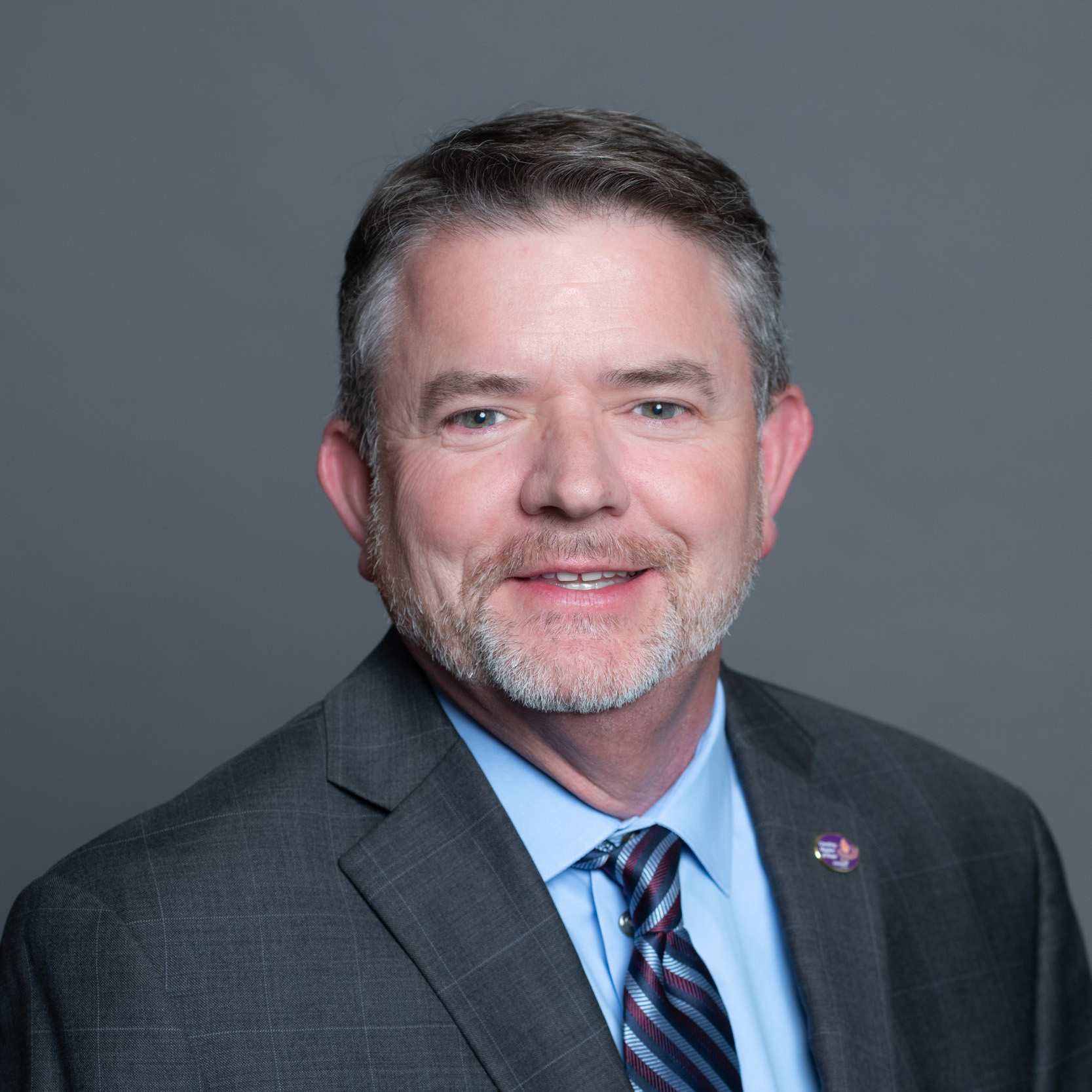
Bill Gates is Executive Director of ASU’s Mechanics of Democracy Laboratory (MODL) and a Professor of Practice in the Watts College of Public Service and Community Solutions. ASU formed MODL in 2024 to help professionalize elections administration, and in 2025 the lab launched its AI + Elections Clinic to help election officials use AI responsibly. He served on the Phoenix City Council from 2009 to 2016, including as Vice Mayor, and was elected to the Maricopa County Board of Supervisors in 2016 and re-elected in 2020. During the 2022 general election, he took part in 16 press conferences as the county counted razor-thin statewide races over 13 days. A frequent on-air contributor to CNN, he received the American Bar Association’s Unsung Hero of Democracy Award in 2024, was named The Arizona Republic’s 2021 Arizonan of the Year, and holds a J.D. from Harvard Law School.
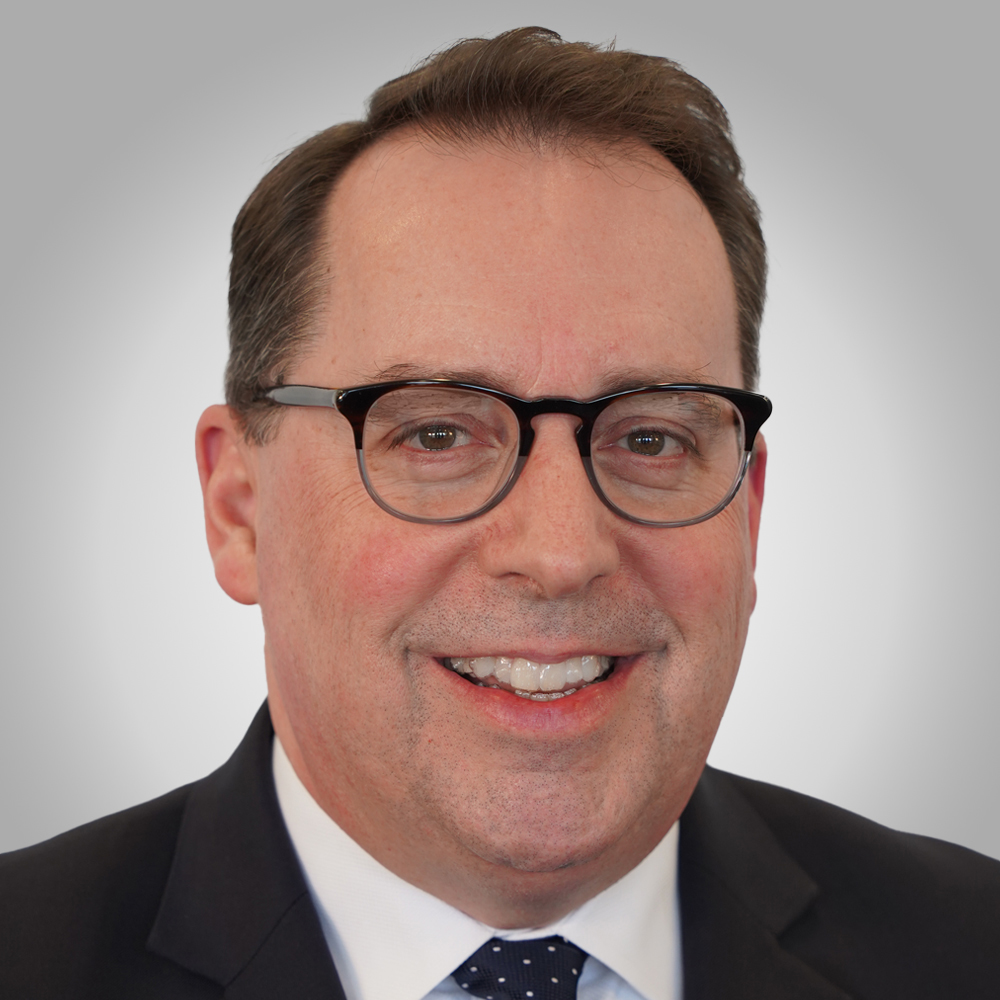
Dean C. Logan is Registrar-Recorder/County Clerk for Los Angeles County, which his office describes as the largest and most complex county election jurisdiction in the country, with more than 500 political districts. Beyond elections, the department records property documents, maintains vital records, and issues marriage licenses. Before coming to Los Angeles, he directed records, elections, and licensing services for King County, Washington, and served as Washington’s state elections director. He is a past president of the California Association of Clerks and Election Officials, serves on the board of the National Election Center, advises the MIT Election Data Science Lab, and teaches in the MPA program at California State University, Northridge.
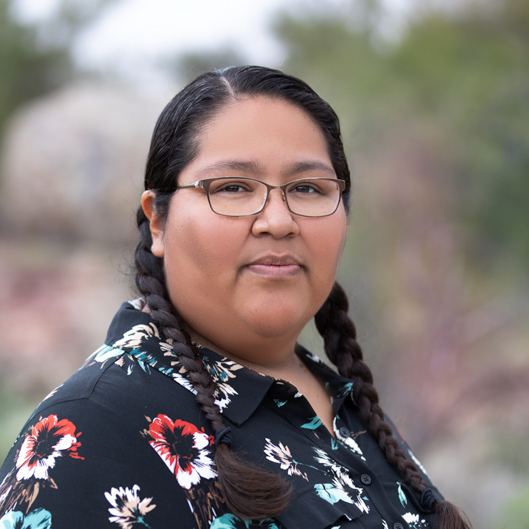
Gabriella Cázares-Kelly was elected Pima County Recorder in November 2020 and leads the office responsible for voter registration, early voting, and document recording in Pima County, Arizona. A former public school educator and community organizer and a member of the Tohono O’odham Nation, she ran for office after encountering the systemic barriers that kept people from registering to vote. She is the first Native American to hold an elected Pima County office. She is a graduate of Pima Community College and the University of Arizona and holds a master’s degree in educational leadership from Northern Arizona University.
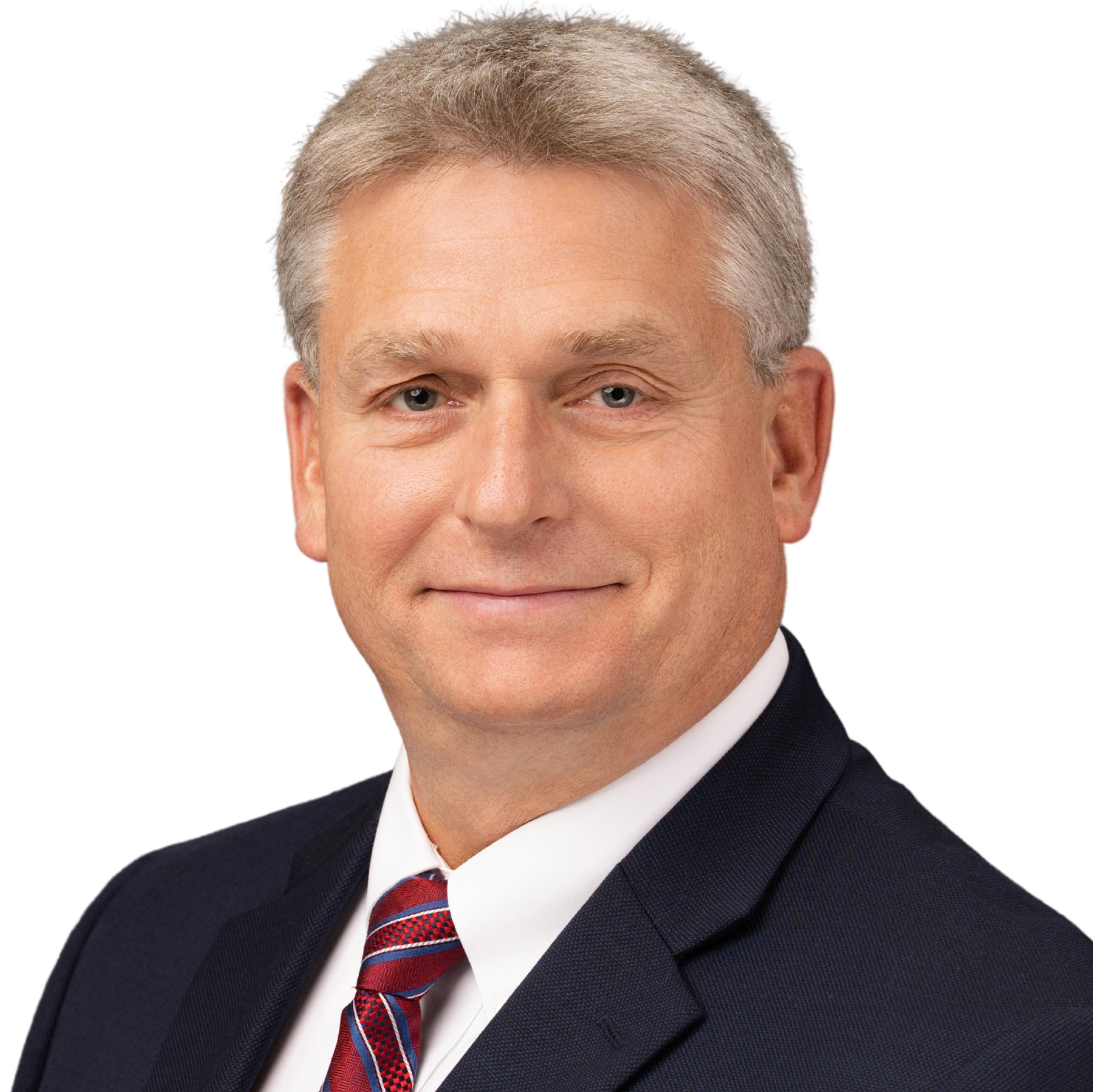
Mark Earley has served the voters of Leon County, Florida, for more than 30 years and was first elected Supervisor of Elections in 2016, succeeding his mentor, Ion Sancho. A former president of Florida Supervisors of Elections, Inc., he serves on the executive committees of the Elections Infrastructure Information Sharing and Analysis Center (EI-ISAC) and the U.S. Election Assistance Commission’s Local Leadership Council, and on the Bipartisan Policy Center’s Task Force on Elections. He played a lead role in developing a post-election audit system, holds a mechanical engineering degree from the FAMU/FSU College of Engineering, and was inducted into the Election Center’s National Hall of Fame in 2023.