Listen and subscribe to us on your favorite podcast platform:


Recently we had some small storms, and every time it does, it washes away sand, and it’ll knock down the dunes that we currently have.The homeowner is responsible now for rebuilding those dunes if they want them rebuilt.
Brenda Flanagan, Bolivar Peninsula resident and Adopt-A-Beach coordinator
The federal government has been reactive to disasters. And we had to try to change the thought processes. We need to be proactive in preventing disasters. It’s a hell of a lot cheaper.
Michel Bechtel, Vice President, Board of Directors, Gulf Coast Protection District
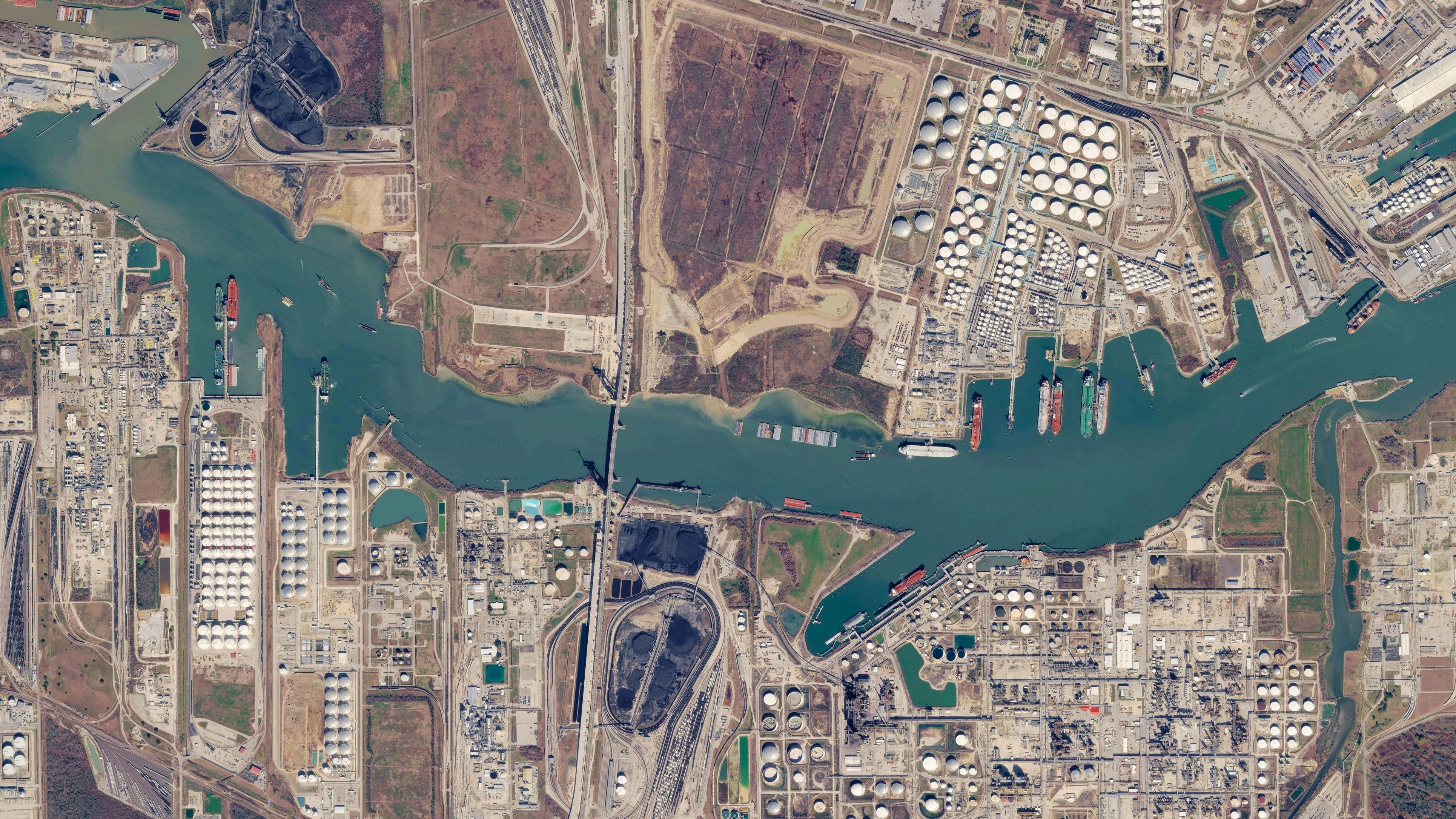
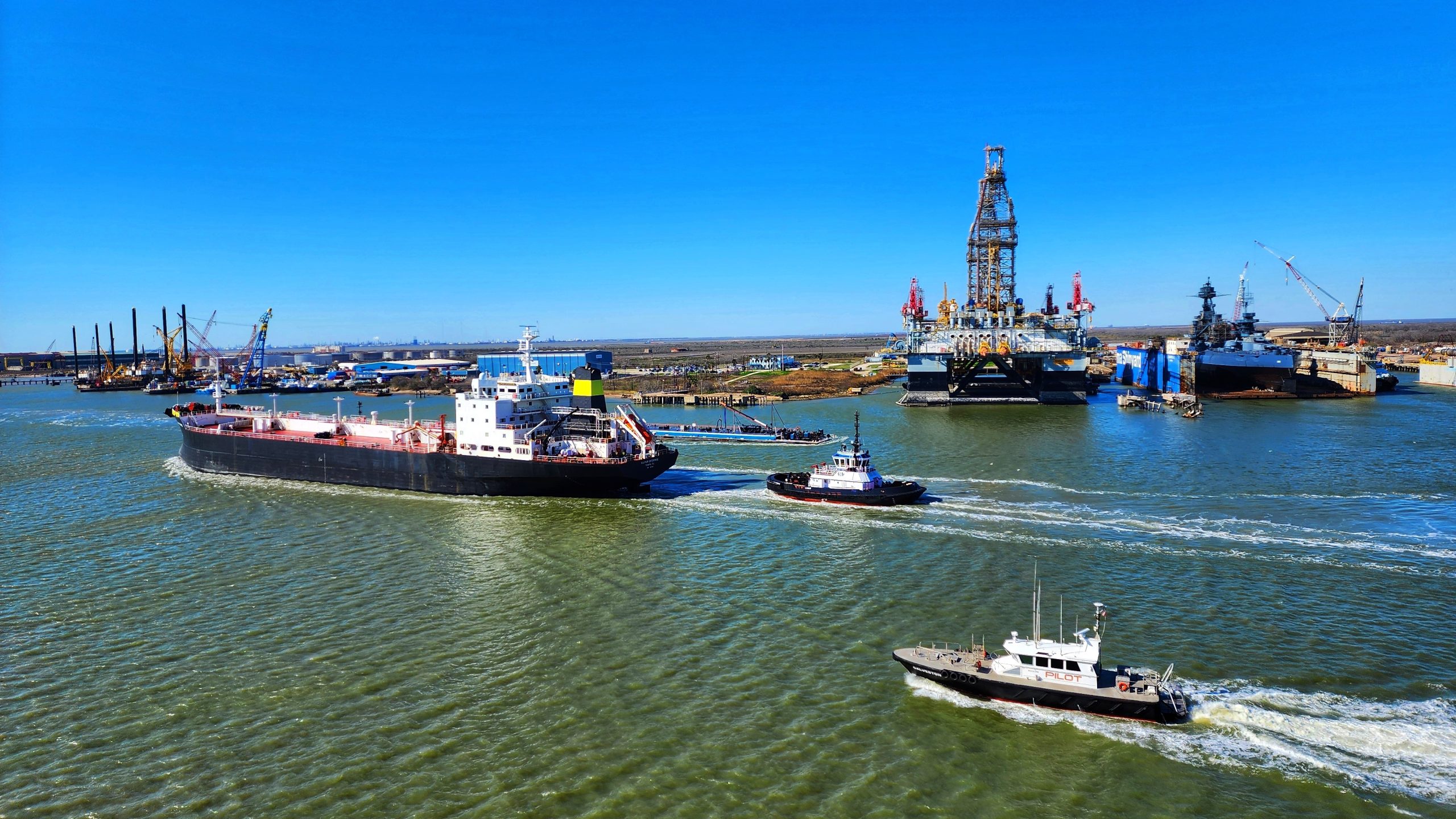
The planned “Ike Dike” storm barrier on the Texas coast would protect refining complexes that supply 60 percent of the nation’s aviation fuel and 80 percent of its military-grade fuel, says its local sponsor, the Gulf Coast Protection District. Part of it will be sand: a double line of dunes, now in design, along Bolivar Peninsula and Galveston Island.
Why it matters: Federal funding would cover 65 percent of construction. Upkeep is left to Texas: about $131 million a year across the wider federal project, by the Army Corps of Engineers’ 2021 estimate. And storms move sand.
The question: When sand is part of the defense for a nation’s fuel supply, who pays to keep rebuilding it?
Why here: On the I-10 corridor’s Gulf Coast, four of the nation’s five largest refineries sit inside the district’s five counties. The fifth is in Louisiana and, says district vice president Michel Bechtel, just as vulnerable.
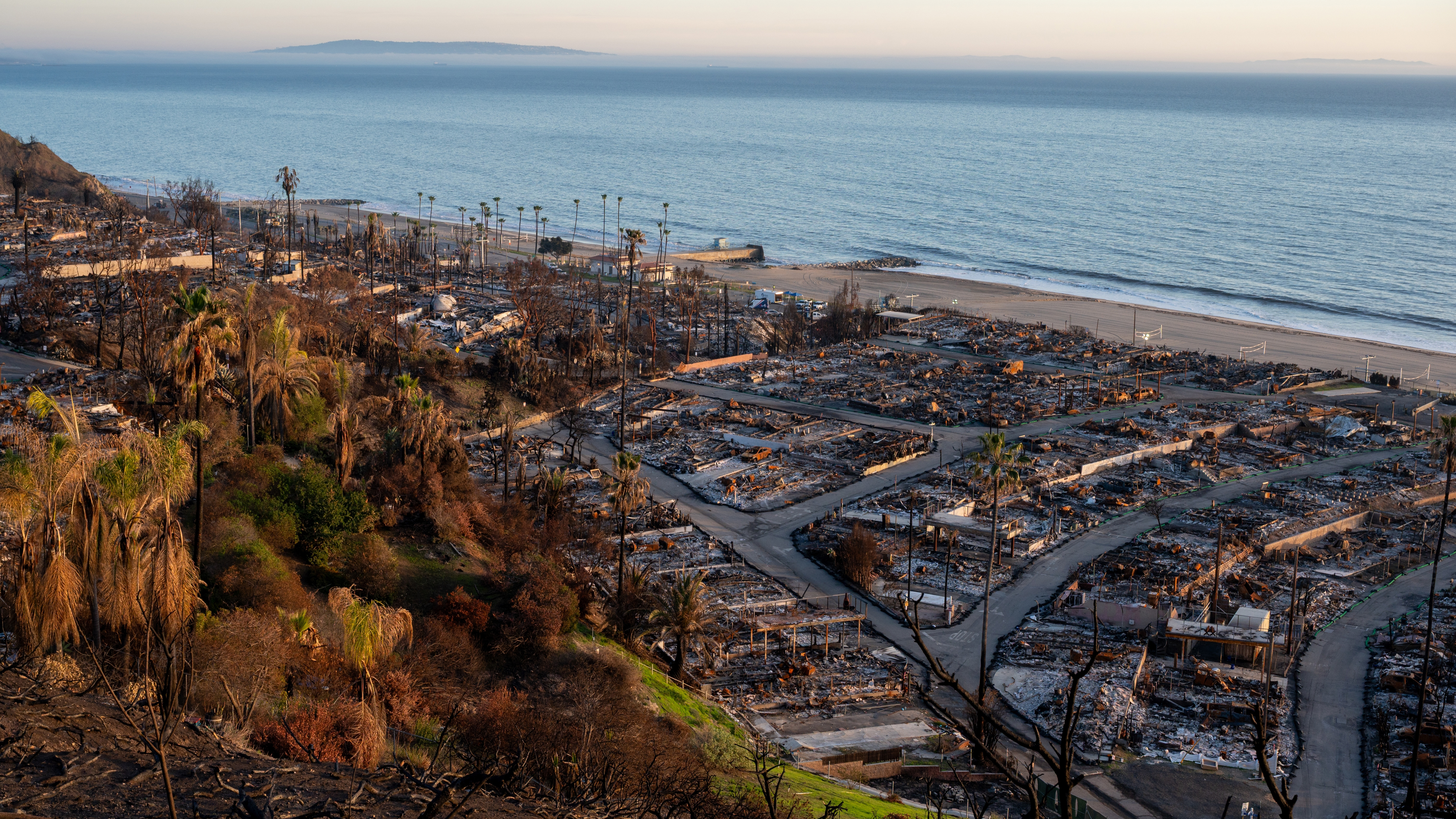
Brenda Flanagan lost her Bolivar home to Hurricane Ike in 2008 and came back. Bechtel is a geologist and former mayor of Morgan’s Point, on the Houston Ship Channel. The interviews left open who pays for upkeep, so Ten Across wrote to the district and its fellow sponsor, the Texas General Land Office. The episode shares their answers.
In this episode, Flanagan and Bechtel join Duke Reiter to discuss what Ike took from Bolivar, what it will take to prevent this from happening again, and what a shutdown of the ship channel would mean beyond Texas.
This is the second of two episodes on who pays to protect the Texas coast. In part one, architect Rob Rogers proposes a storm barrier inside Galveston Bay that doubles as a park.
Relevant Articles and Resources
- “Galveston Bay Barrier System” (Gulf Coast Protection District)
- REPORT: “2025 Annual Report” (Gulf Coast Protection District, July 2026)
- Michel Bechtel Statement Before U.S. House of Representatives (February 2022)
- “Application of a Semiempirical Analytical Model to Predict Erosion of a Texas Coastal Defense Dune System during Storms under Climate Change” (Journal of Waterway, Port, Coastal, and Ocean Engineering, 2026)
- “Massive Galveston Bay Barrier System Gets One Step Closer to Construction” (Public Health Watch, February 2026)
- “Contracts awarded to design gates and dunes for Gulf Coast ‘Ike Dike’ project” (The Texas Tribune, December 2025)
- REPORT: “Coastal Texas Protection and Restoration Feasibility Study: Final Feasibility Report” (U.S. Army Corps of Engineers, August 2021)
- “Some Texas Coastal Residents Opposing Proposed Storm Barrier” (CBS News Texas/Associated Press, December 2018)
- “Ten years later: Looking back on Hurricane Ike’s devastation on Bolivar Peninsula” (KHOU, 2018)
Relevant Ten Across Conversations Podcasts
- $7 Billion Bet Against the Next Big Storm: Rob Rogers on Protecting the Houston Ship Channel
- Negotiating Survival: The Complex Decision-Making Required to Save Louisiana’s Coast
- Imagining Adaptation to Sea Level Rise in California with Rosanna Xia
- Katrina’s 20th: Jeff Hébert on Community Recovery and Resilience
Credits
Host: Duke Reiter
Producer and editor: Bryce Cristiano
Research and support provided by: Kate Carefoot, Rae Ulrich, and Sabine Butler
Guest Speakers
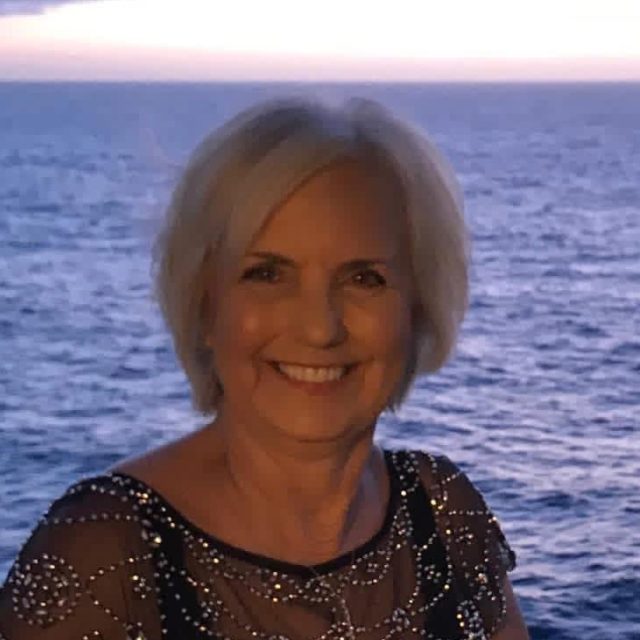
Brenda Flanagan is a Bolivar Peninsula resident who lost her home to Hurricane Ike in 2008 and returned to help rebuild. She is vice president of Keep Bolivar Beautiful and coordinates the Texas General Land Office’s Adopt-a-Beach program on the peninsula. A former president of the Bolivar Peninsula Chamber of Commerce, she has contributed countless hours of volunteering on Bolivar Peninsula, contributing to the tight-knit community and aiding in the burgeoning tourist industry.
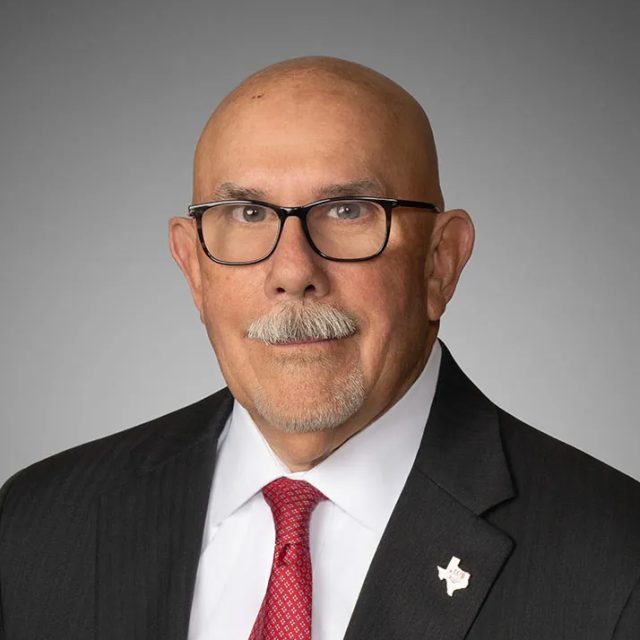
Michel Bechtel is vice president and past chair of the board of the Gulf Coast Protection District, where he serves as a governor’s appointee representing Harris County. A petroleum geologist and president of Bechtel Exploration Company, he served five terms as mayor of Morgan’s Point, Texas, and three on its city council. He is a Port Houston commissioner and sits on the boards of the Bay Area Coastal Protection Alliance and the Bay Area Houston Economic Partnership. He holds a master’s in petroleum geology from the University of New Orleans.