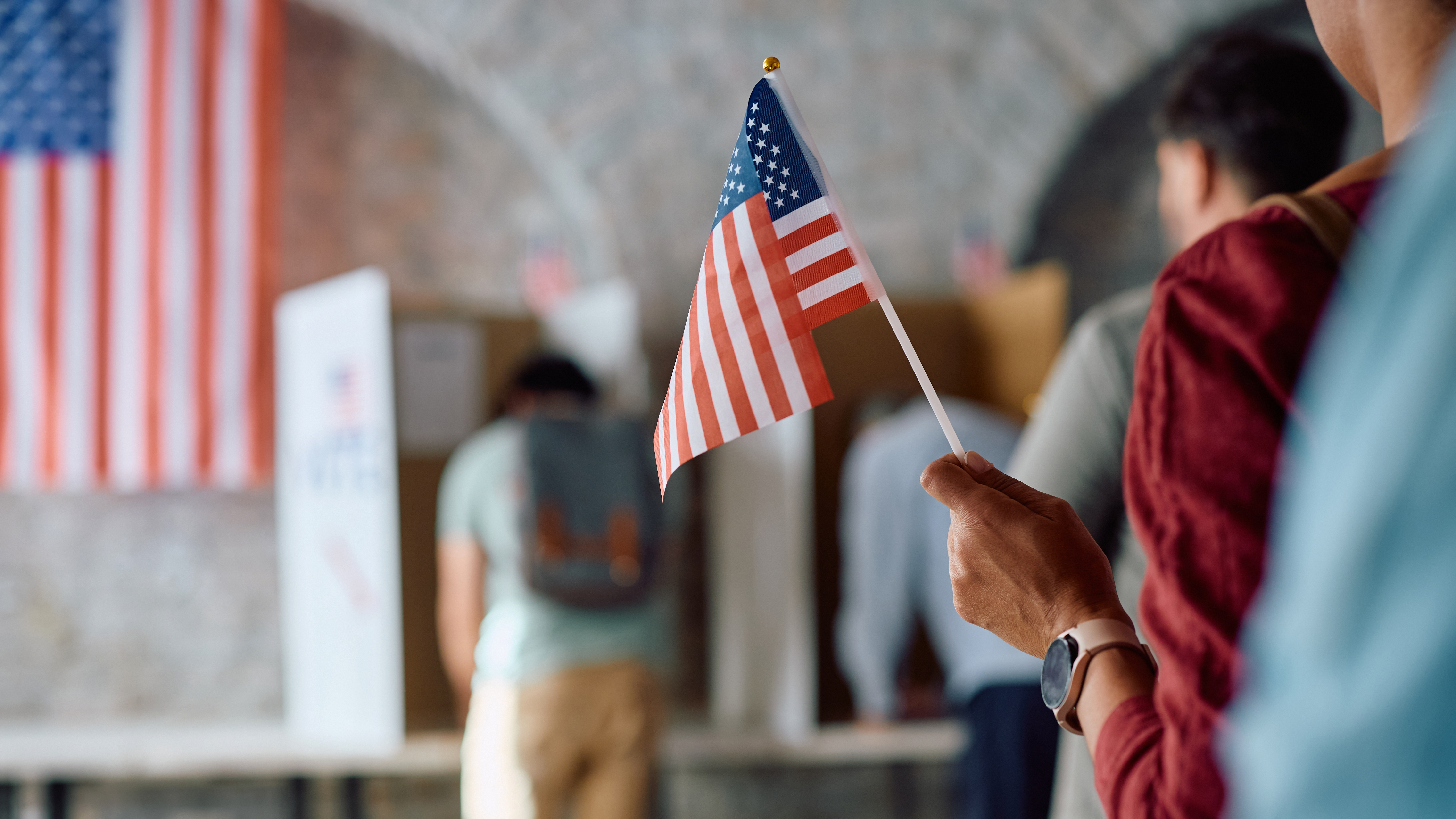
Listen and subscribe to us on your favorite podcast platform:


We like to remind people that the voting process doesn’t belong to us. We facilitate it. But the voting process belongs to the citizens of the jurisdiction.
Dean Logan, Registrar-Recorder/County Clerk, Los Angeles County
“…To those folks who are sowing this distrust, making sure that we challenge them with, ‘Hey, why don’t you come work for us? You will get the training that every staff member gets, you will be in the environment, you can see it firsthand.
Gabriella Cázares-Kelly, Recorder, Pima County, Arizona
Every state has the ability to set their own laws. The fact that Arizona and California take longer does not concern me at all.
Mark Earley, Supervisor of Elections, Leon County, Florida
Heading into the 2026 midterms, election integrity means more than the mechanics of ensuring an accurate count. The officials responsible for elections in influential counties like Los Angeles, California; Pima, Arizona; and Leon, Florida, also have to earn voters’ confidence in the result.
Why it matters: Trust in elections is a foundation of American self-government, and in recent cycles some voters have lost it. That doubt now shapes how elections are run, from how fast votes are counted to how an election office communicates with its voters.
The question: How does an election office rebuild the trust of voters who have lost it? And should every state have to go about it the same way?
Why here: Interstate 10 runs through three highly influential states that conduct the same election three different ways: California mails every voter a ballot, Arizona lets voters sign up once to get one for every election, and Florida requires a new request every two years and posts its results on election night. Side by side, perspectives from these three counties show how differently each state can build trust in its count.
In this episode, Dean Logan, Registrar-Recorder/County Clerk for Los Angeles County; Gabriella Cázares-Kelly, Pima County Recorder; and Mark Earley, Supervisor of Elections for Leon County, Florida, join Duke Reiter and co-host Bill Gates, executive director of ASU’s Mechanics of Democracy Laboratory and a former member of the Maricopa County Board of Supervisors. ASU formed the Mechanics of Democracy Laboratory in 2024 to help restore public confidence in elections, and we were fortunate to have its director, Bill Gates, co-host this conversation. Gates’s lab hosted the national Election Science, Reform, and Administration conference at ASU in June, which brings election officials and researchers together to improve the quality of American elections.
Together they talk through the importance of election integrity including the current mid-term elections, why a count can take hours in one state and days in another, how prediction markets shaped expectations in Los Angeles this summer, why Pima County redesigned its ballot envelope this year, and whether voters will ever cast a ballot from their phones.
Relevant Articles and Resources
- New Laws, New Maps Can Complicate Election Administration Across the I-10 Corridor (Ten Across Insights, June 2026)
- 2026 Election Science, Reform, and Administration Conference (hosted by ASU’s Mechanics of Democracy Laboratory, June 2026)
- Election Science, Reform and Administration Intro Video
- REPORT: “Local Election Officials Survey 2026” (Brennan Center for Justice, April 2026)
- “Federal election changes loom ahead of midterms” (National Association of Counties, September 2026)
- “New ASU lab aims to restore public election confidence, encourage careers in field” (ASU News, August 2024)
- Los Angeles County Registrar-Recorder/County Clerk
- Pima County Recorder
- Leon County Supervisor of Elections
Relevant Ten Across Conversations Podcasts
- James Fallows on How the News Media Influences U.S. Democracy and Elections
- New America’s Anne-Marie Slaughter on the Importance of Local and Regional Governance
- What America’s Small Towns Tell Us About Democracy
- Charting an Optimistic Future with Marc Morial and Paul Johnson
Credits
Host: Duke Reiter
Co-host: Bill Gates
Producer and editor: Bryce Cristiano
Research and support provided by: Kate Carefoot, Rae Ulrich, and Sabine Butler
Guest Speakers
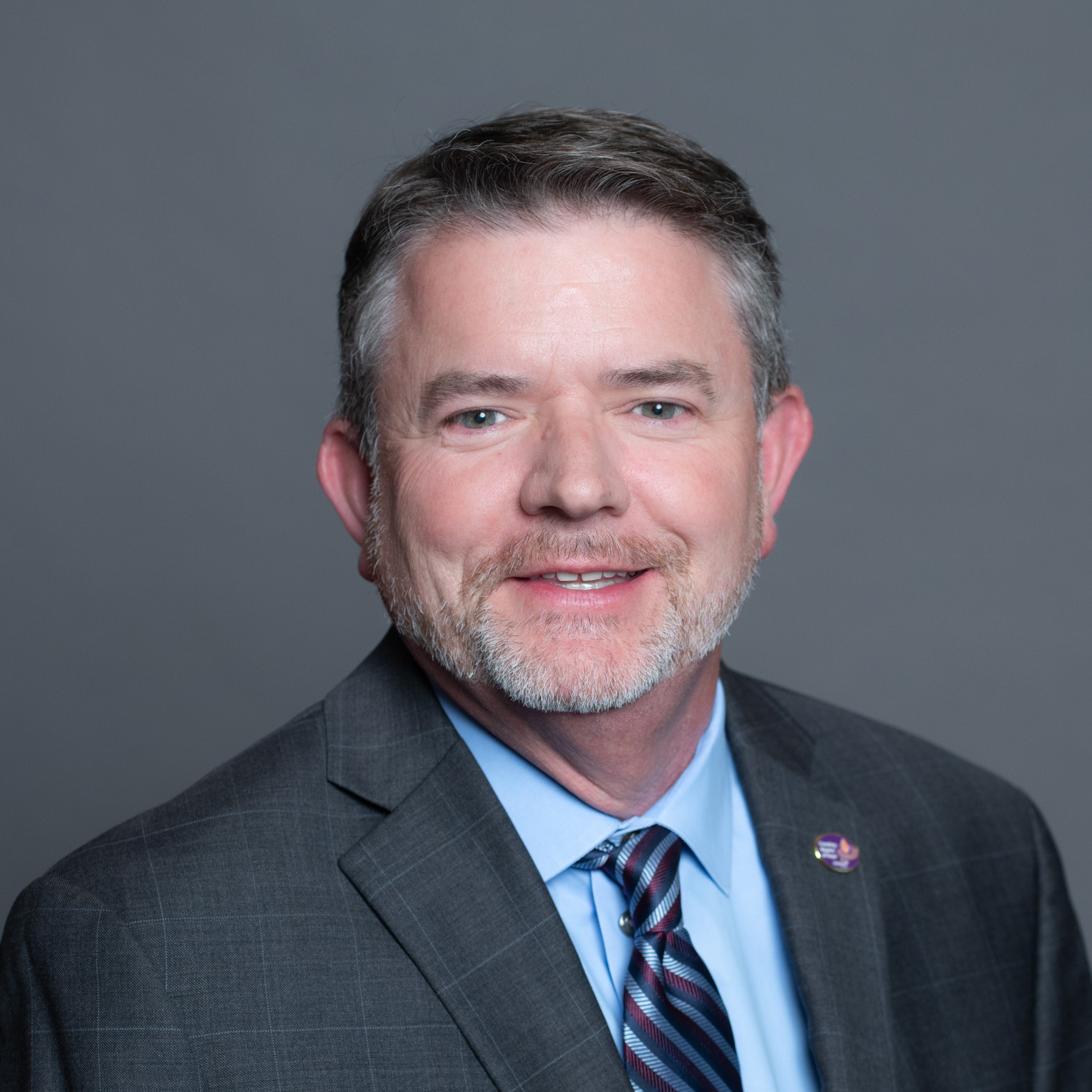
Bill Gates is Executive Director of ASU’s Mechanics of Democracy Laboratory (MODL) and a Professor of Practice in the Watts College of Public Service and Community Solutions. ASU formed MODL in 2024 to help professionalize elections administration, and in 2025 the lab launched its AI + Elections Clinic to help election officials use AI responsibly. He served on the Phoenix City Council from 2009 to 2016, including as Vice Mayor, and was elected to the Maricopa County Board of Supervisors in 2016 and re-elected in 2020. During the 2022 general election, he took part in 16 press conferences as the county counted razor-thin statewide races over 13 days. A frequent on-air contributor to CNN, he received the American Bar Association’s Unsung Hero of Democracy Award in 2024, was named The Arizona Republic’s 2021 Arizonan of the Year, and holds a J.D. from Harvard Law School.
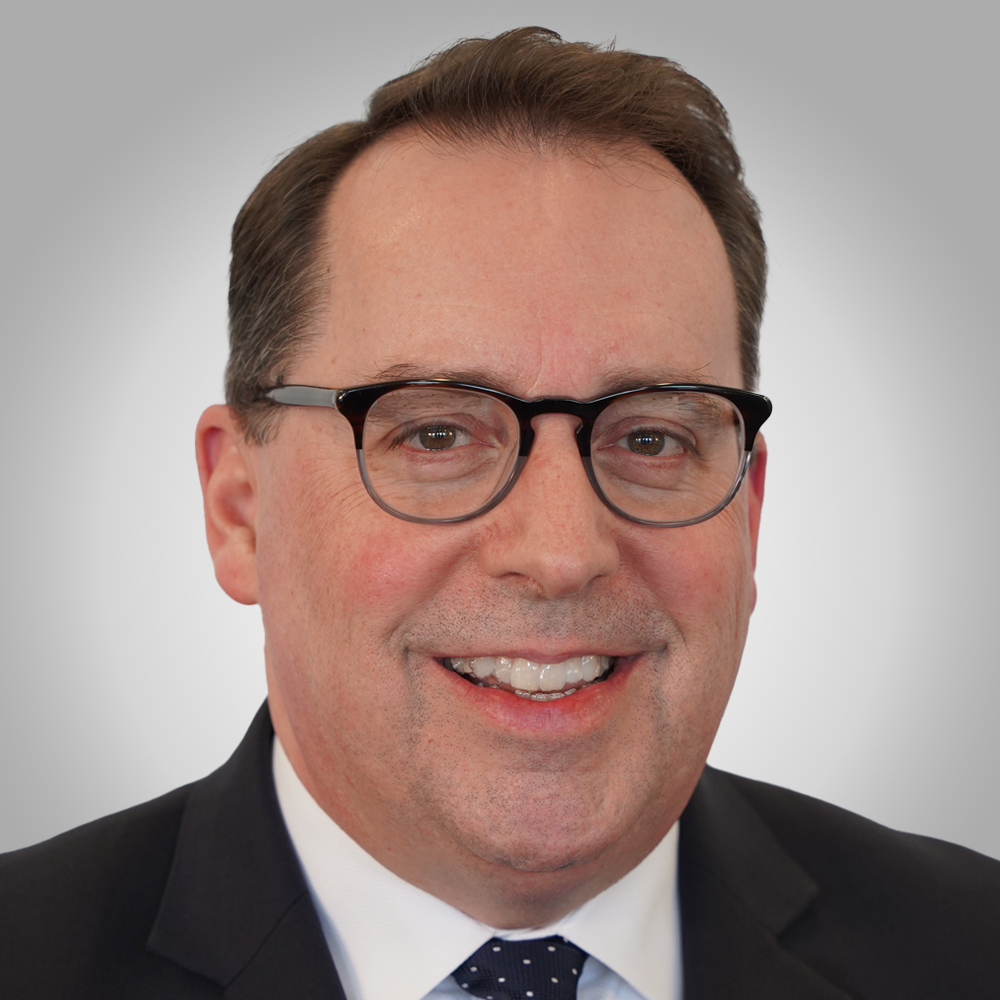
Dean C. Logan is Registrar-Recorder/County Clerk for Los Angeles County, which his office describes as the largest and most complex county election jurisdiction in the country, with more than 500 political districts. Beyond elections, the department records property documents, maintains vital records, and issues marriage licenses. Before coming to Los Angeles, he directed records, elections, and licensing services for King County, Washington, and served as Washington’s state elections director. He is a past president of the California Association of Clerks and Election Officials, serves on the board of the National Election Center, advises the MIT Election Data Science Lab, and teaches in the MPA program at California State University, Northridge.
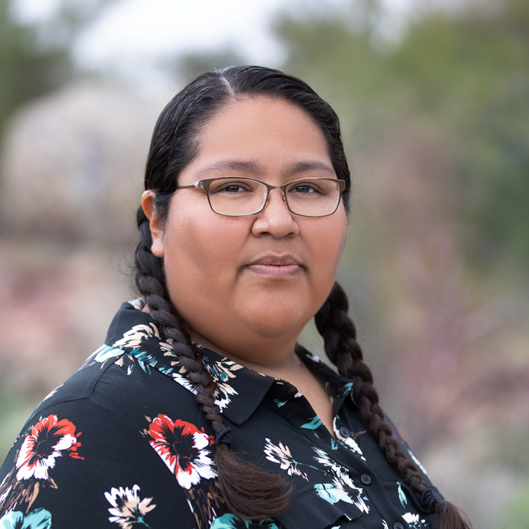
Gabriella Cázares-Kelly was elected Pima County Recorder in November 2020 and leads the office responsible for voter registration, early voting, and document recording in Pima County, Arizona. A former public school educator and community organizer and a member of the Tohono O’odham Nation, she ran for office after encountering the systemic barriers that kept people from registering to vote. She is the first Native American to hold an elected Pima County office. She is a graduate of Pima Community College and the University of Arizona and holds a master’s degree in educational leadership from Northern Arizona University.
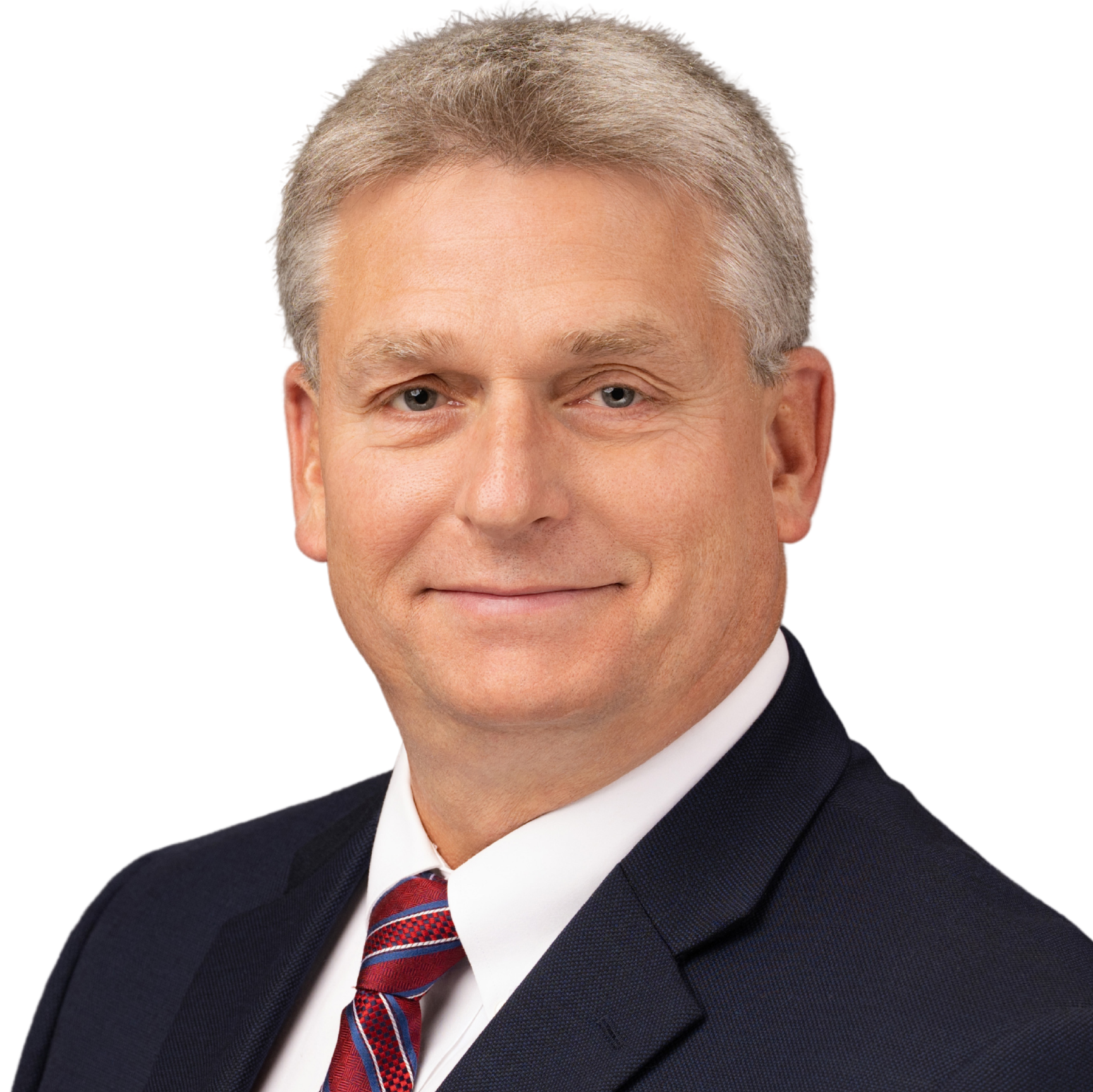
Mark Earley has served the voters of Leon County, Florida, for more than 30 years and was first elected Supervisor of Elections in 2016, succeeding his mentor, Ion Sancho. A former president of Florida Supervisors of Elections, Inc., he serves on the executive committees of the Elections Infrastructure Information Sharing and Analysis Center (EI-ISAC) and the U.S. Election Assistance Commission’s Local Leadership Council, and on the Bipartisan Policy Center’s Task Force on Elections. He played a lead role in developing a post-election audit system, holds a mechanical engineering degree from the FAMU/FSU College of Engineering, and was inducted into the Election Center’s National Hall of Fame in 2023.