by Maya Chari
APM Research Lab Ten Across Data Journalism Fellow
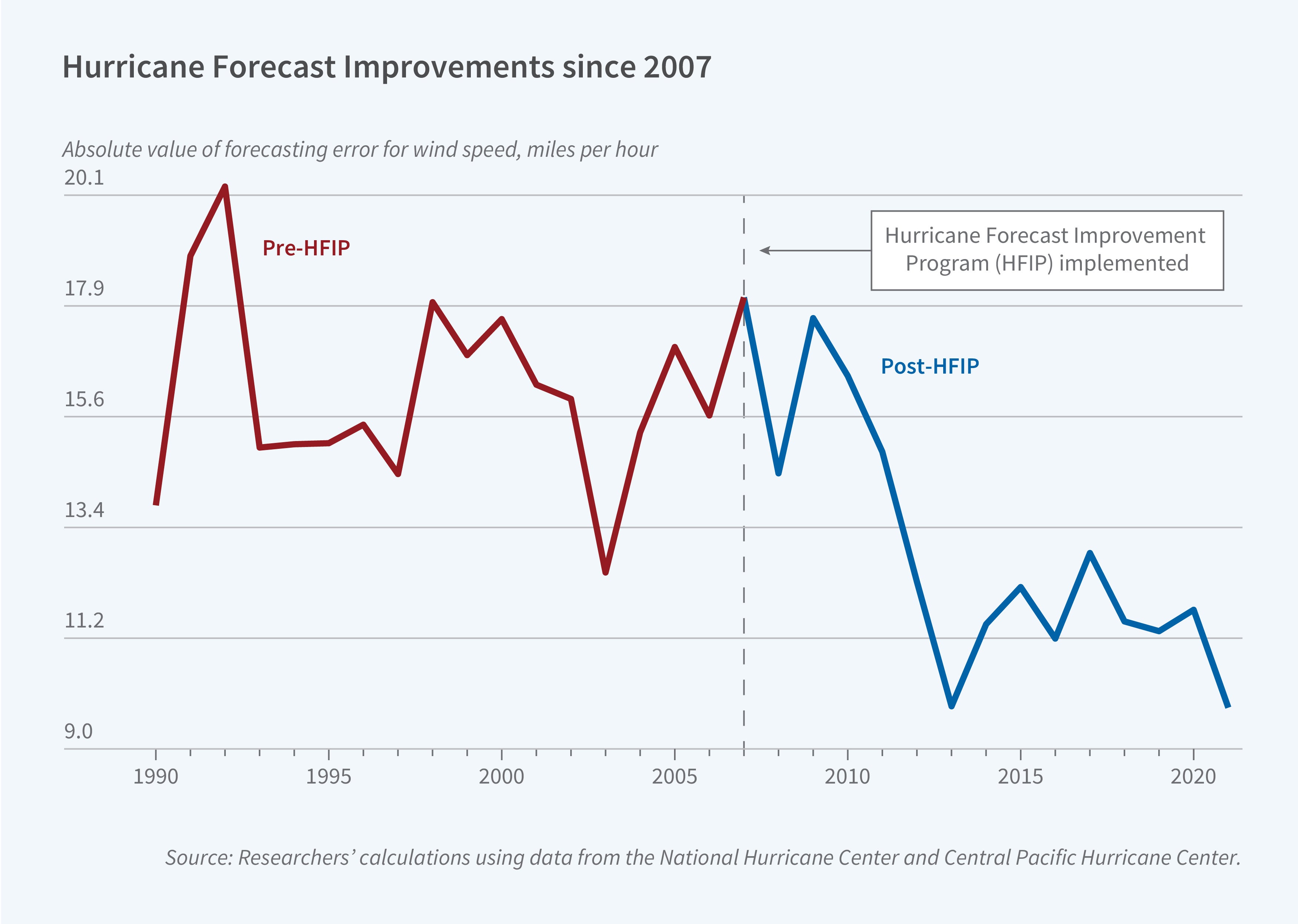
Over the past few decades, hurricane forecasting has improved dramatically. In 2020, researchers at the National Bureau of Economic Research found that improvements to weather forecasts between 2007 and 2020 prevented approximately $5 billion in damage per hurricane. But accurate forecasts depend on large amounts of high-quality data, much of it provided by the National Oceanic and Atmospheric Administration (NOAA). That data is now under threat, thanks to budget cuts and restructuring under the Trump administration.
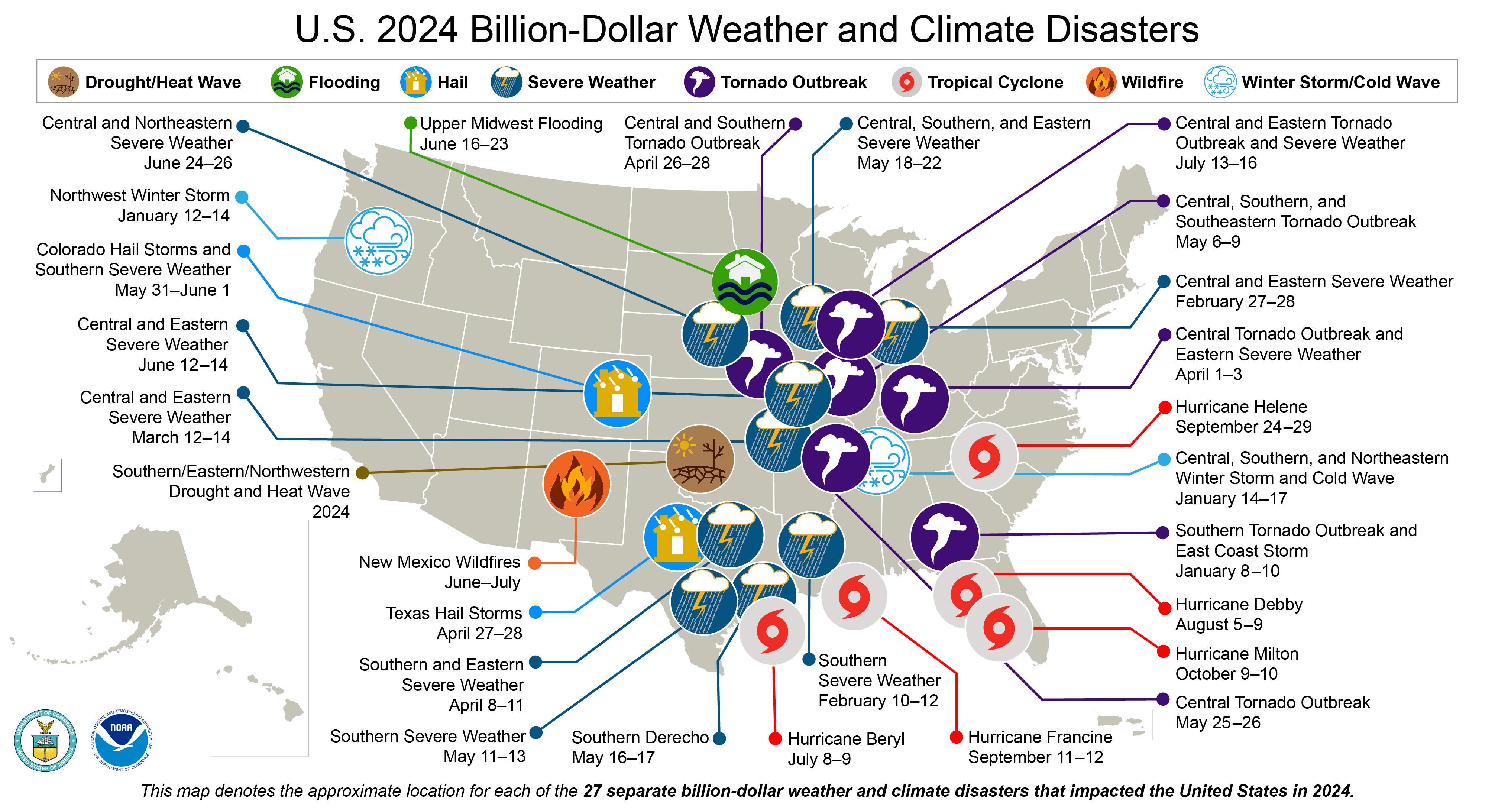
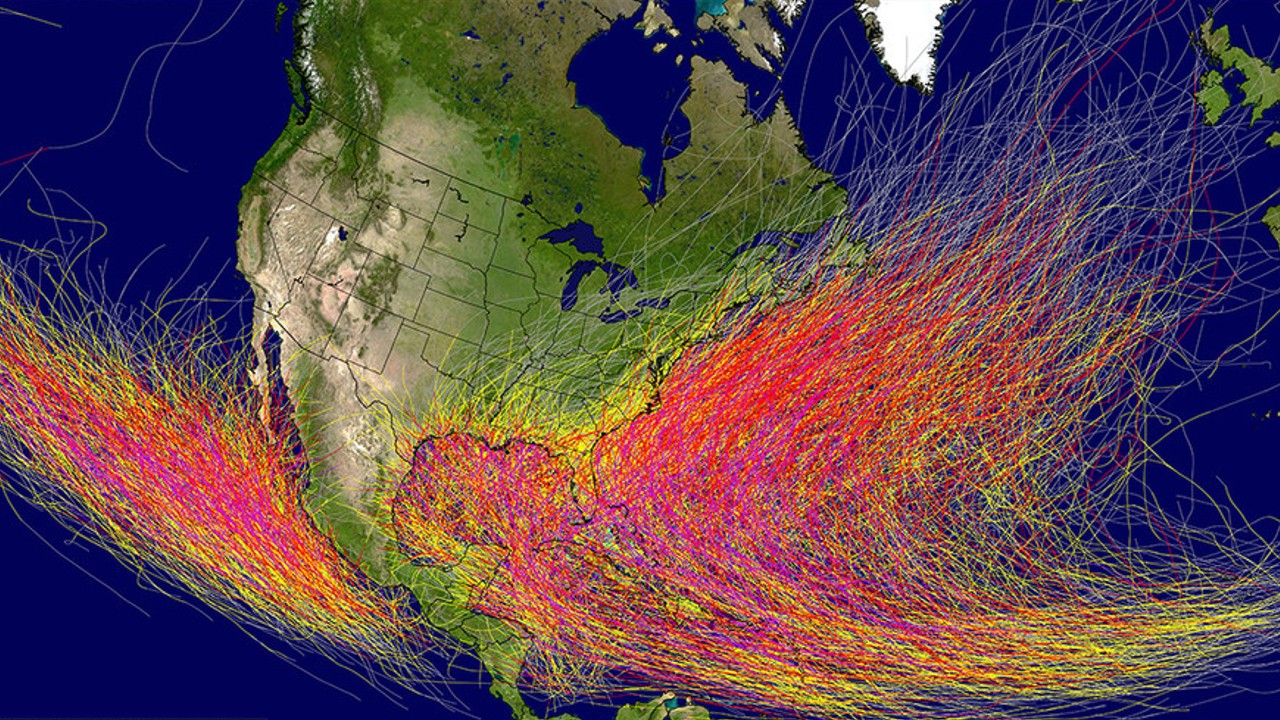
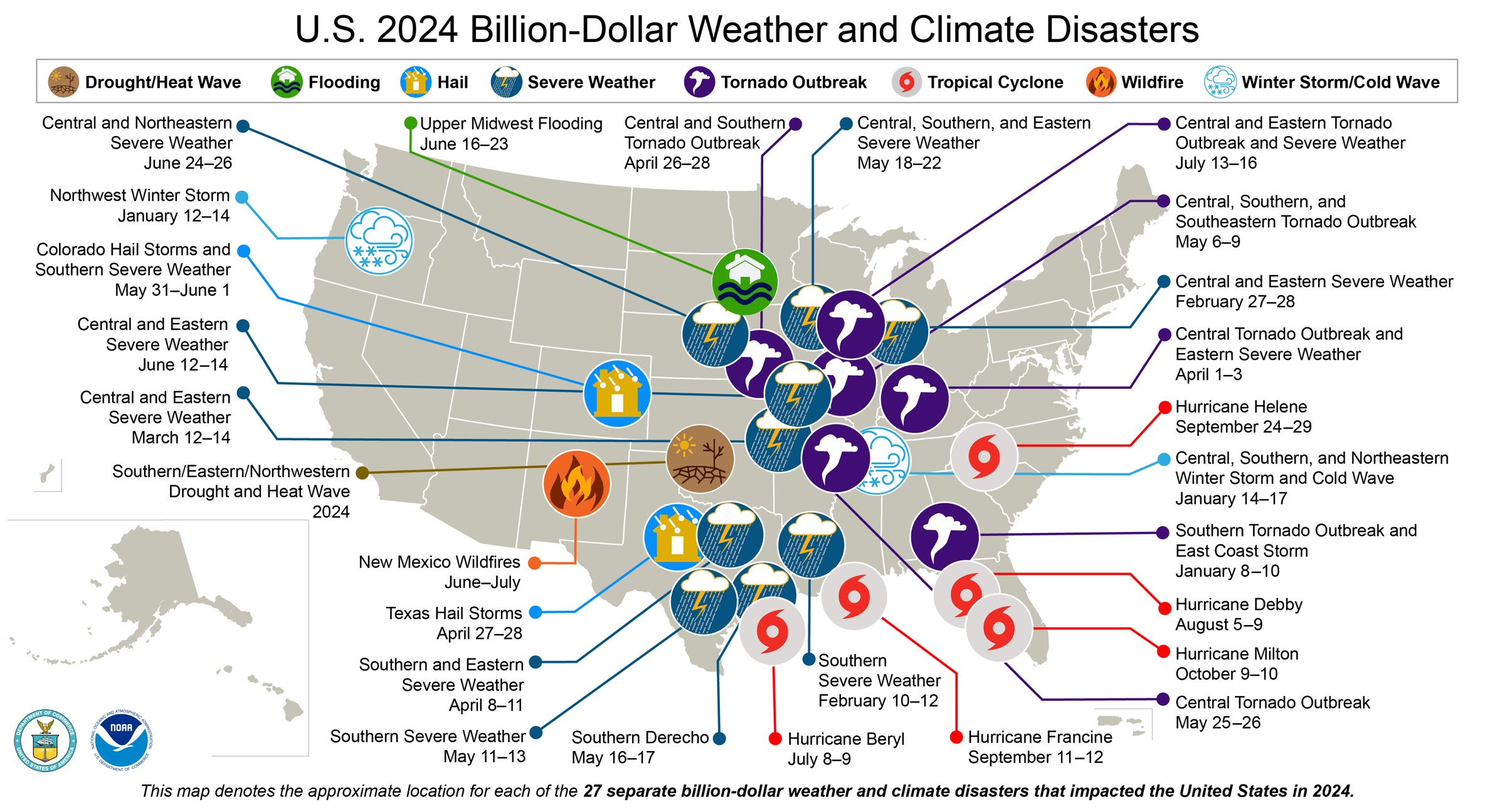
The impacts are likely to hit Southern states the hardest. Southeastern states, especially Louisiana, Texas, Florida and North Carolina are more often affected by hurricanes. In 2024, five hurricanes did over a billion dollars of damage in the United States, all primarily impacting those states.
NOAA was established in 1970 by President Richard Nixon. Since then, it’s been a vital source of information for meteorologists across the country. But the Trump administration has taken aim at the agency. In February 2025, approximately 1,300 NOAA employees — about 10% of total staff — were laid off as part of the administration’s attempt to shrink the federal workforce. Another round of cuts followed in March, shrinking NOAA’s workforce by 20%.
The cuts were met by outrage from lawmakers and scientists. On March 5th, 113 members of Congress signed a letter to the Secretary of Commerce.
“NOAA saves money and American lives,” the letter read. “In 2020, NOAA’s hurricane forecasting saved approximately $5 billion per major hurricane landfall. A reduction in personnel cripples the very infrastructure that Americans depend on to withstand climate-driven catastrophes.”
The letter also demanded that the administration address potential impacts to public safety. The Department of Commerce eventually sent a letter to terminated employees stating that the layoffs were part of “a government-wide mass termination,” but did not address the concerns raised by the members of Congress.
The Union of Concerned Scientists also delivered an open letter to the government with over 3,000 signatories from the scientific community.
“Without a strong NOAA, a cornerstone of the US scientific research enterprise, the world will be flying blind into the growing perils of global climate change,” they wrote.
But the cuts proceeded, and it’s possible that more will follow. The Office of Management and Budget has proposed cutting NOAA’s budget by around 27% in 2026.
As a result of staffing cuts, many weather stations across the country have reduced weather balloon launches. This means that extreme weather forecasters are now working with less data, potentially making their predictions less accurate.
Other data sources used in weather and climate modeling are also under threat. Historically, the Department of Defense has provided NOAA with information from its satellites to enable hurricane monitoring. But last summer, the department abruptly announced that it would cease providing the data to scientists, citing “cybersecurity concerns.” NOAA also archived and stopped updating a well-known database tracking the costs of extreme weather and climate disasters. This means that it will be more difficult to calculate the financial impact of future disasters.
Arizona State University geographical sciences professor Randy Cerveny expressed concern about the impact of the cuts in an interview with Newsweek.
“Unfortuntely, these cuts will lead to more weather-related deaths,” he said.