Listen and subscribe to us on your favorite podcast platform:


The famous saying is that Texas is a land of perpetual drought visited by the occasional biblical flood. That’s why we need to get our water infrastructure policy straight.
Jeremy Mazur, Director of Infrastructure and Natural Resources Policy at Texas 2036
You know what costs more than desalinated water? No water.
Dr. Robert Mace, Executive Director of the Meadows Center for Water and the Environment at Texas State University
If the groundwater is owned by the state of Texas, I don’t have the ability to have a political voice.
Charles Porter, real estate broker, farmer, St. Edward’s University water law professor
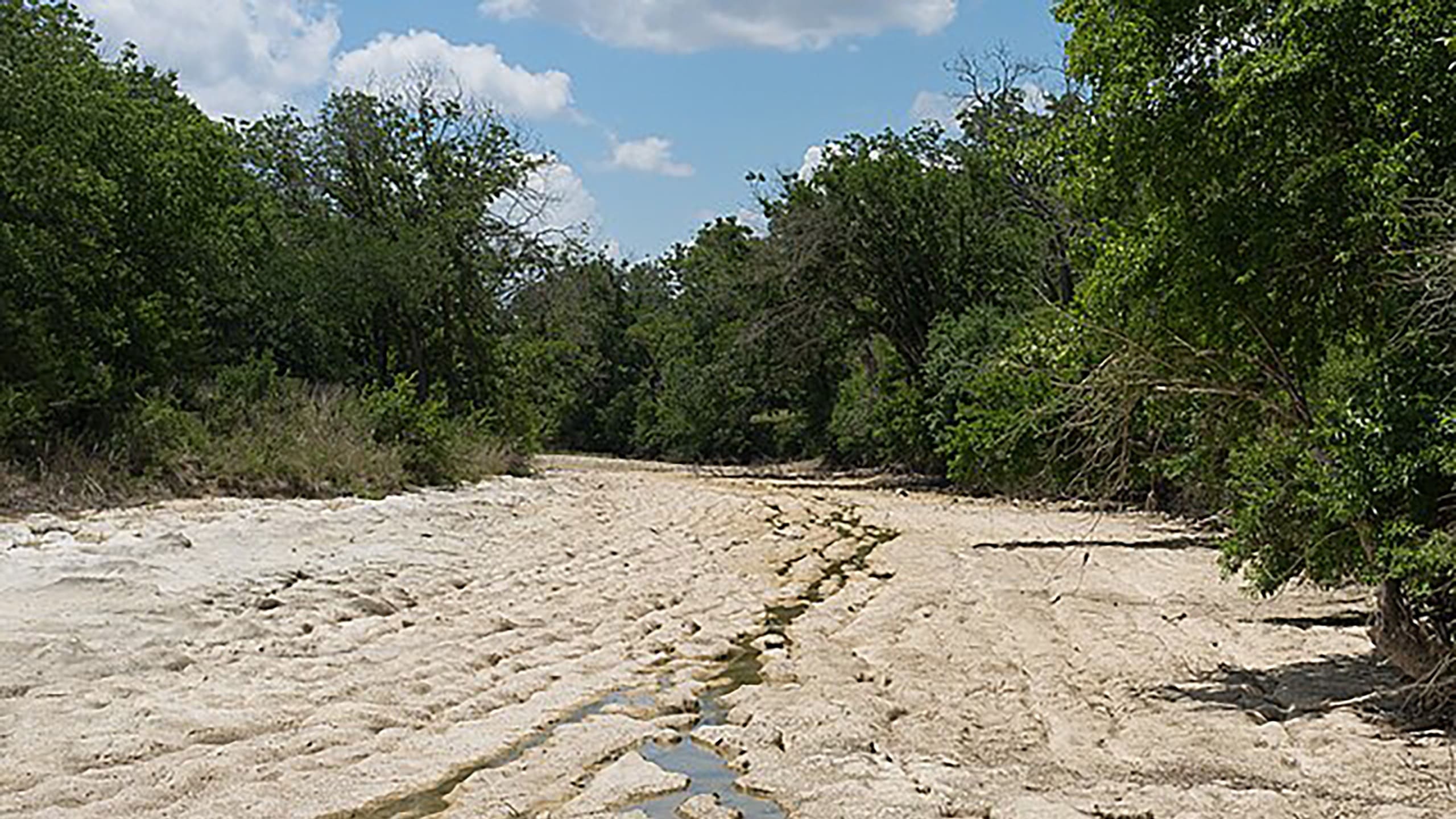
Everything’s bigger in Texas, including a water crisis. According to the Texas Water Development Board, population and industrial demand could outpace existing supply by 7 million acre-feet by 2070—an amount equal to the current annual water demand of the entire state of Arizona.
Last November, Texas voters approved the largest investment in water infrastructure in the state’s history: $20 billion over 20 years. But is this enough to address current needs and ongoing rapid growth?
In the first part of our series on how present choices in water, energy and growth will shape the future in Texas, we’ll explore:
- How cities like Corpus Christi are facing impossible trade-offs between the needs of industry and residents
- Why a 100-year-old “Rule of Capture” is sparking battles over groundwater exports
- Whether Texas can balance its booming $2.7 trillion economy with the inescapable realities of water constraints
- Why is this relevant for the Ten Across region and the Nation
This episode features conversations with Texas State hydrologist Robert Mace, Texas 2036 policy director Jeremy Mazur, and real estate broker and water law professor Charles Porter.
Relevant Articles and Resources
“Inside the Fight for Texas’s Most Precious Resource” (Texas Monthly, September 2025)
“Running Out: Texas’ water — and the path forward” (The Texas Tribune Staff, September 2025)
“Texas tried to address its water crisis in the ‘60s. A new proposal echoes that historical debate” (Texas Standard, April 2025)
“The Impossibly Expensive Plan to Save Texas’s Water Supply” (Texas Monthly, April 2025)
Assessing Texas’ Water Infrastructure Needs (Jeremy Mazur, Texas 2036)
“Drawing Straws” (Texas Monthly, July 2012)
Relevant Ten Across Conversations Podcasts
Understanding Groundwater Risks in the Southwest with Jay Famiglietti
The Future of Water is Here: Are We Ready?
Credits
Host: Duke Reiter
Written, produced, and edited by: Taylor Griffith
Episode concept provided by: Kate Carefoot
Research and support provided by: Rae Ulrich, Kelly Saunders, and Sabine Butler
Guest Speakers

Robert Mace is the executive director of the Meadows Center for Water and the Environment and professor of practice in the Department of Geography & Environmental Studies at Texas State University. He previously worked at the Texas Water Development Board for 18 years, rising to become the Deputy Executive Administrator for Water Science and Conservation. He holds a B.S. in geophysics, M.S. in hydrology and a Ph.D. in hydrogeology.

Jeremy Mazur is the director of Infrastructure and Natural Resources Policy at Texas 2036. During the 88th Texas Legislature, he supported policy expanding Texas’s financial strategy for developing water infrastructure, establishing regulatory frameworks for hydrogen energy, and, among other initiatives, incentivizing regional solutions for water utilities. He is currently leading a scenario-based assessment of how different energy portfolio pathways contribute to state economic growth, regional water market development, and responses to extreme weather.
Charles Porter is a leading Texas water rights authority, real estate broker and author of multiple books including Water Rights and Policies in the United States. He serves on the National Association of Realtors Board of Directors, has testified as expert witness over 600 times, and successfully sponsored legislation requiring groundwater conservation district disclosure in all Texas residential real estate transactions.
