by Maya Chari
APM Research Lab Ten Across Data Journalism Fellow
The federal government is working to place additional restrictions on anti-homelessness funding at a time when people across the southern U.S. are increasingly struggling to afford housing.
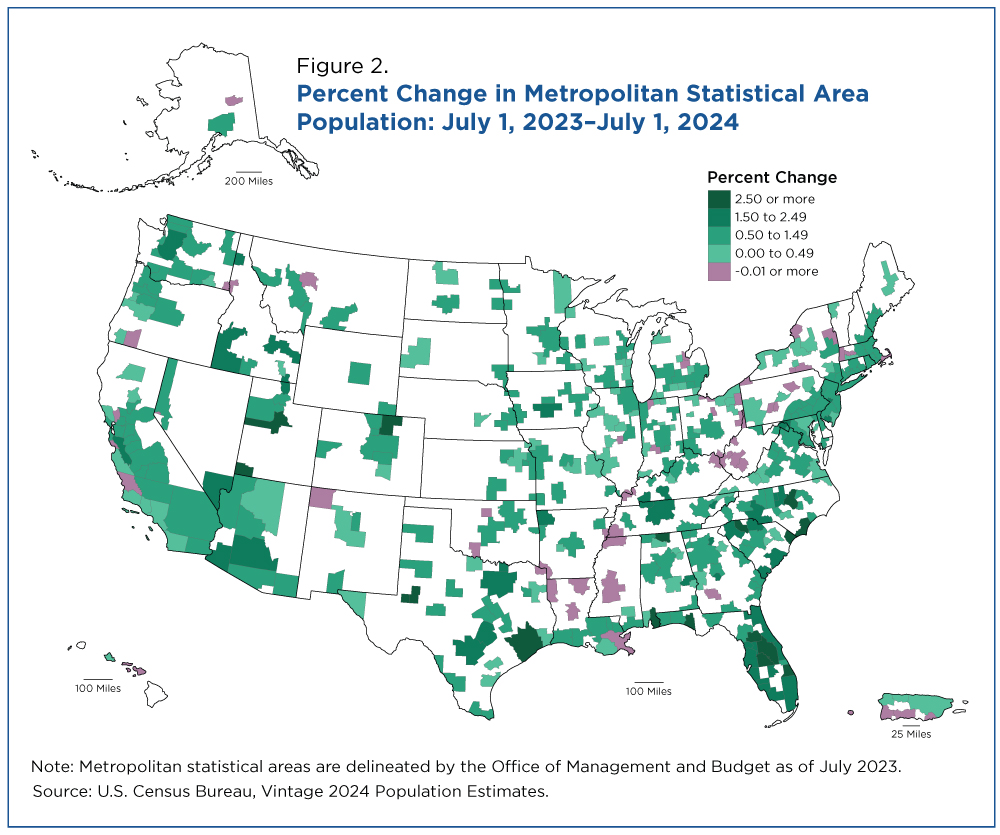
Homelessness in the United States is an all-time high. Historically, Sun Belt cities have had lower housing costs and correspondingly lower rates of homelessness. But many of the fastest-growing metropolitan areas in the United States are located in southern California, Arizona, Texas and Florida, where rates of new housing construction since COVID-19 have failed to keep up with the region’s surging population.
Today, California, Arizona, Texas and Florida have some of the lowest nationwide rates of affordable housing availability. This trendline is driven by a combination of local factors and national policy that may offer warning signs for the country at large.
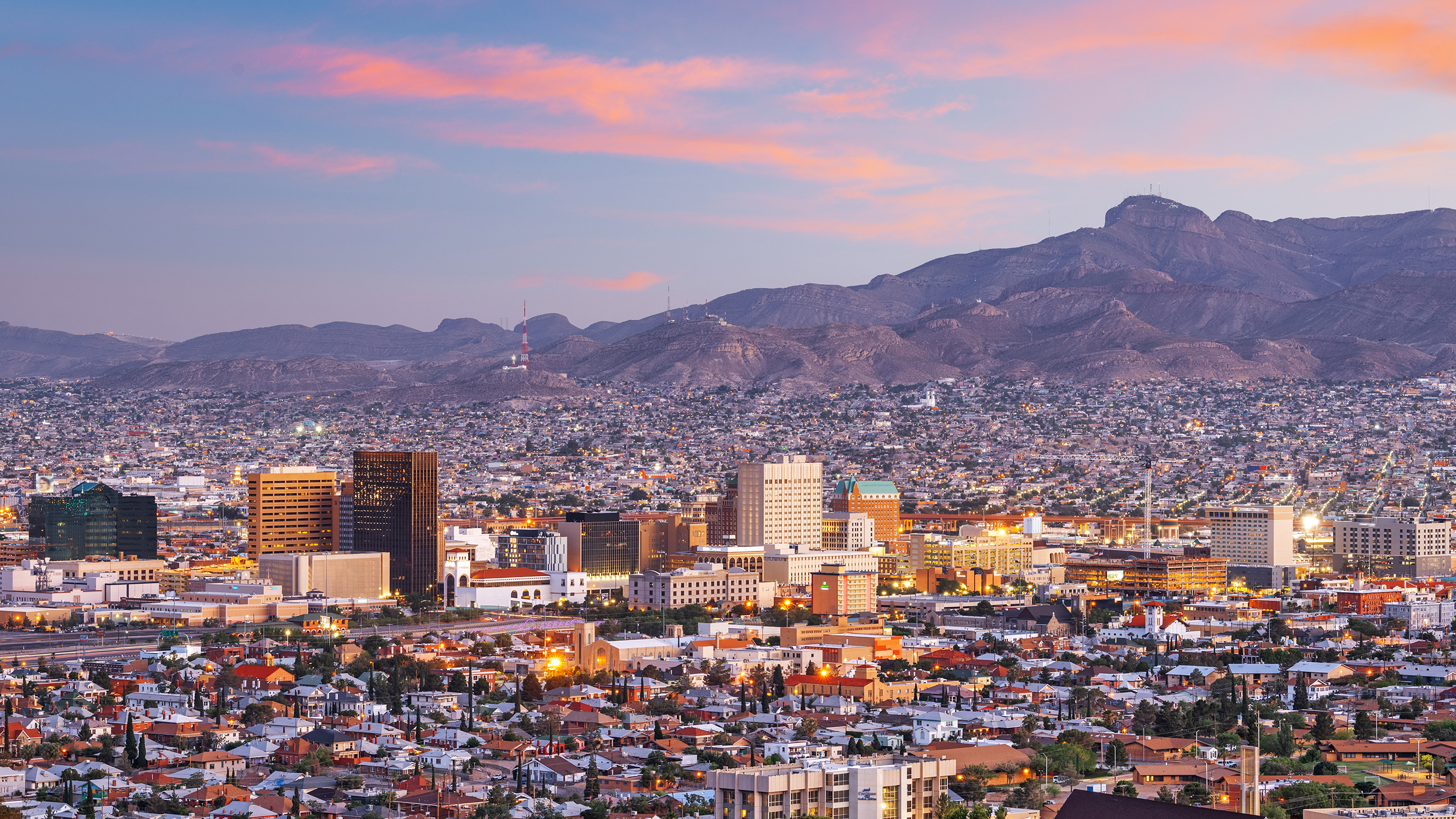
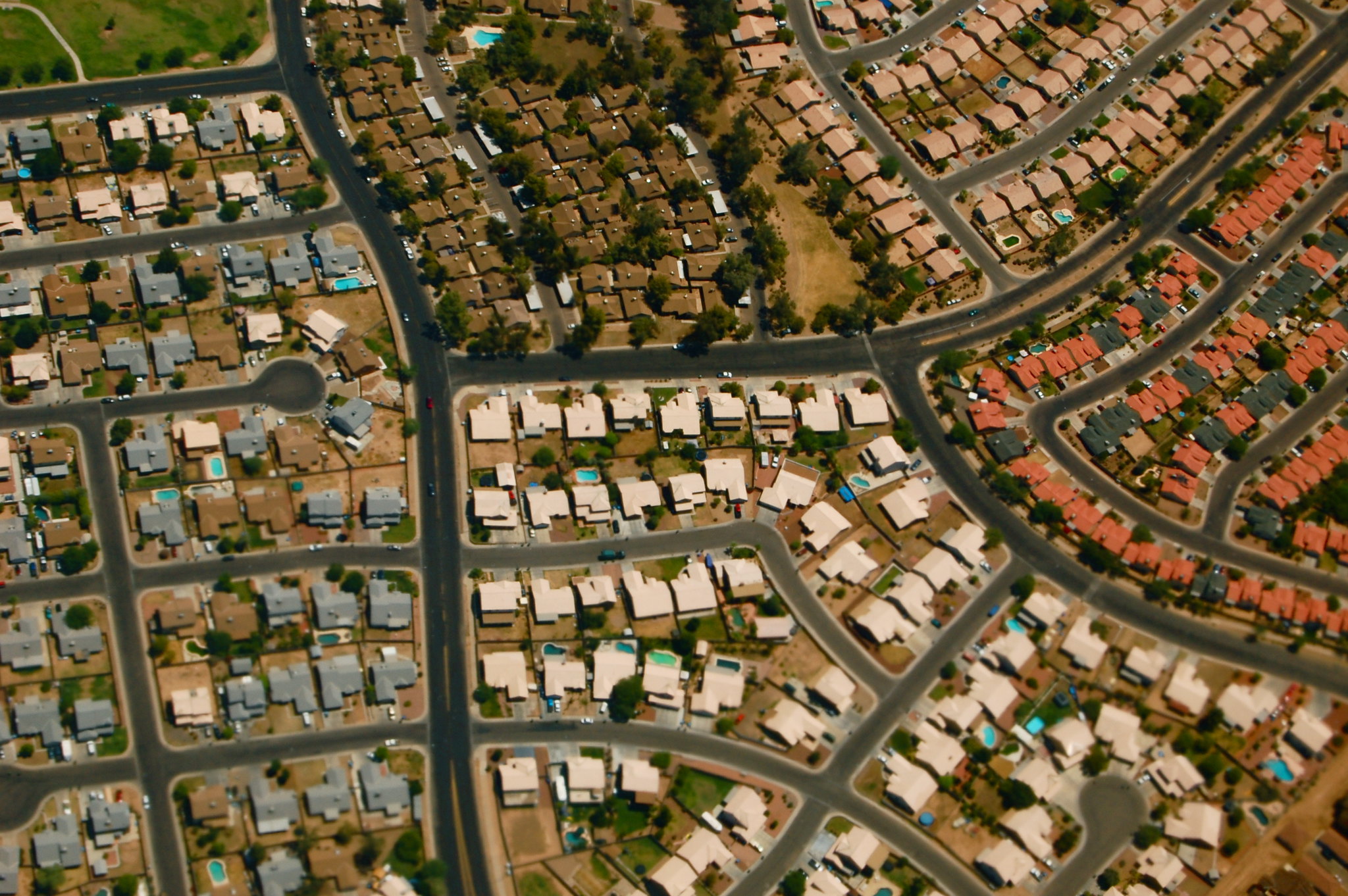
During the pandemic, institutional investors snapped up properties in Arizona, Nevada, Texas, and California at fast rates. Post-pandemic inflation hit the region particularly hard, and housing costs became a major pain point. Zoning in metro areas throughout the Interstate 10 corridor tends to favor single-family homes with large lots: a quarter of the land in Jacksonville is designated exclusively for this type of development, as is a third of El Paso and half of Phoenix.
Cities across the region are now seeing sharp rises in rents, putting more residents at risk of homelessness. Miami, for example, saw a 50% increase in rent prices between 2020 and 2025, according to data from the for-profit housing listing company Zillow. In Albuquerque, rents rose about 40% during the same time period; in Tucson, they rose by about a third. All three cities are dealing with an increase in unsheltered homelessness.
In the midst of this crisis, the federal government has added restrictions on the housing funding it controls. During the 2025 grant cycle, the Department of Housing and Urban Development made several changes to annual grants. In what the National Alliance to End Homelessness called the “most significant structural change in a decade,” 70% of available funding became subject to a competitive review process. In 2024, by comparison, only 10% of funds were subject to such constraints.
The advanced selection criteria stipulate that states and cities lose points for failure to ban public camping. Nonprofit and private applicants for grant funding are also required to actively cooperate with law enforcement and to enforce involuntary commitment standards.
HUD’s new funding rules also disqualify “harm reduction” or “housing first” programs, a research-based approach that prioritizes secure housing without preconditions like sobriety. The rules steer funds toward short-term housing with work requirements rather than the long-term housing supported by “housing first” principles. Programs emulating the City of Houston’s success with the “housing first” strategies that reduced its homeless population by 63% between 2011 and 2023—twice the rate of the rest of the country—may find no federal support this year.
While all states receive funding from the federal government for housing programs, several of the southernmost states stand out for their reliance on these resources. Federal funds pay for 75% of permanent housing beds in Louisiana—the highest percentage of any state in the nation. In Alabama, that figure is just over half, while in Florida, Texas, and Arizona it’s a little over a third.
Several states, including Arizona, are engaged in lawsuits against HUD to halt the changes to grant policies, and as of January 2026, HUD has been ordered to revert to previous standards, pending a final court decision.
“While I am pleased that the Trump Administration was forced to back down this time, unfortunately, many local programs may now face an even longer gap in funding, which also puts lives at risk. These communities cannot wait. HUD must move quickly to renew existing grants under last year’s rules, so families do not lose the housing support they depend on,” said Congresswoman Maxine Waters of California in a statement.
Such large changes in federal policy have powerful impacts on local conditions, especially in periods of relative instability. While homelessness service providers are pool resources and city and state governments devise strategies to bridge, if not fill, the gaps left by federal funding disruption, the way these impacts will ultimately play out across the Sun Belt and beyond remains to be seen.